

Sweet itch in horses is a frustrating, recurring skin condition caused by insect bites, most commonly midges. This vet-approved guide explains what sweet itch is, what it looks like, early signs to watch for, and the most effective ways to treat and prevent it. Key Takeaways Sweet itch in horses is an allergic reaction to midge bites, not a c...
Read More
Like any living being, ageing horses can be more prone to a number of age-related conditions. While these can’t always be avoided, they can often be managed, and senior horse care needn’t be a struggle. In this vet-reviewed guide, we cover when a horse is considered senior, the common health changes to look out for, and practical ways y...
Read More
This guide covers what you need to know about worming your horse in summer - from when to test, to what to worm horses with if treatment is needed, all while helping prevent resistance and protect pasture health. Key Takeaways: Test before treating – Use faecal egg counts in Summer to decide if worming is necessary. Only worm if needed...
Read More
Knowing what should be in a horse first aid kit is essential for every yard. This practical horse first aid kit list covers the key items you need to be prepared for injury or illness. It is useful to put together a first aid kit to keep on the yard. A basic first aid kit should contain the items most likely to be needed to treat an injury or ailme...
Read More
Can horses get hay fever? Yes - just like people, horses can suffer from seasonal allergies that affect the respiratory system and overall performance. In this vet-approved guide, we’ll cover the common horse hay fever symptoms, causes, prevention tips, and the best treatment options to help keep your horse comfortable during allergy season....
Read More
Grooming a horse goes beyond keeping them looking smart - it’s an essential part of good horse management and needs to happen regularly to keep your horse looking and feeling its best. This guide covers the essentials to get you started. Key Takeaways Grooming is more than appearance - it supports skin, coat, and hoof health. Regular g...
Read More
Horse supplements can play an important role in supporting long-term health, but with so many options and conflicting advice, it can be difficult to know whether your horse actually needs them or which ones are right. This vet-approved guide explains when supplements can help and how to choose the right ones for your horse. Key Takeaways Many...
Read More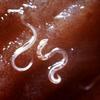
Encysted redworm can be a concern for horses, but modern worming advice is no longer simply a case of treating every horse at a particular time of year. This vet-reviewed guide explains what encysted redworm is, when treatment may be needed, how horses can be tested and how to reduce the risk of disease while helping to protect wormers from resista...
Read More
Joint health is essential for every horse, from leisure companions to high-performance athletes. But many owners still ask: what is the best joint supplement for horses? With such a wide range of products available in the UK, choosing the right one can feel overwhelming. This guide explains what to look for, when to start, and how joint supplements...
Read More
Mud fever in horses can be a frustrating and recurring condition for horse owners - especially during wet, muddy seasons. In this guide, we’ll explore what mud fever is, what causes it, how to recognise it early, and the best ways to treat and prevent it for good. Key Takeaways Mud fever (pastern dermatitis) is a bacterial skin infectio...
Read More