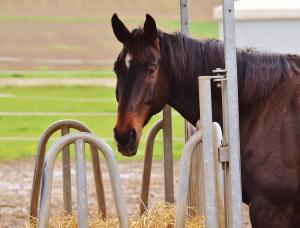
Can horses get hay fever? Yes - just like people, horses can suffer from seasonal allergies that affect the respiratory system and overall performance. In this vet-approved guide, we’ll cover the common horse hay fever symptoms, causes, prevention tips, and the best treatment options to help keep your horse comfortable during allergy season.
| Key Takeaways
Explore our range of respiratory supplements for horses to support comfortable breathing all year round. |
What is Hay Fever in Horses?
Hay fever in horses is a hypersensitive allergic reaction to airborne allergens. Common triggers include:
- Pollen - Grass, weed, and tree pollen are major seasonal triggers during warmer months.
-
Dusty Hay & Bedding - Dust particles and mould spores from hay, straw, and poorly ventilated stables can irritate sensitive airways.
-
Mould Spores - Damp hay, feed, or bedding encourages fungal growth which can worsen respiratory allergies.
-
Environmental Irritants - Ammonia from urine, poor stable ventilation, smoke, and arena dust can all aggravate symptoms.
Unlike humans, horses rarely show classic “sneezing” symptoms. Instead, allergies usually affect the lower respiratory tract, causing inflammation and narrowing of the airways.
Affected horses may struggle more during spring and summer when pollen levels are high, although dust and mould from hay and bedding can trigger symptoms year-round. Older horses are also more commonly affected, but hay fever can occur at any age.

Horse Hay Fever Symptoms
Recognising horse hay fever symptoms early is important, as untreated respiratory irritation can worsen over time.
Common symptoms include:
- Persistent coughing
-
Wheezing or crackly breathing sounds
-
Nasal discharge
-
Increased respiratory rate
-
Flared nostrils
-
Exercise intolerance
-
Reduced performance
-
Laboured breathing
-
A visible “heave line” along the abdomen in severe cases
Some horses may also appear lethargic or become unsettled when exercised.
Important: If your horse develops severe breathing difficulty or sudden respiratory distress, contact your vet immediately.
Horse Hay Fever Treatment
The best horse hay fever treatment usually involves a combination of environmental management, veterinary support, and respiratory supplementation.
1. Reduce Allergen Exposure
Minimising your horse’s exposure to irritants is one of the most effective ways to control symptoms.
Helpful changes include:
- Turning horses out overnight when pollen counts are lower
-
Avoiding turnout during very high pollen days
-
Improving stable ventilation
-
Using dust-extracted bedding
-
Soaking or steaming hay
-
Feeding from the floor to encourage mucus drainage
-
Keeping stables clean and well ventilated
2. Veterinary Treatment
In more severe cases, your vet may prescribe:
- Bronchodilators to open the airways
-
Corticosteroids to reduce inflammation
-
Inhalers for long-term management
-
Antibiotics if secondary infection develops
Diagnostic tests such as endoscopy or bronchoalveolar lavage may sometimes be recommended to confirm lower airway inflammation.

3. Respiratory Horse Supplements
Respiratory supplements for horses can provide valuable nutritional support for horses prone to seasonal allergies and respiratory irritation.
Many horse owners use respiratory supplements to help:
- Support healthy lung function
-
Soothe irritated airways
-
Maintain normal breathing
-
Promote mucus clearance
-
Support immune health during allergy season
Adding a high-quality respiratory supplement to your horse’s routine can be especially beneficial during spring and summer when allergens peak.
Product Recommendations
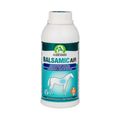
- Audevard Balsamic Air - fast-acting respiratory support with essential oils to help maintain clear airways and breathing comfort, ideal during travel, dusty conditions, and seasonal changes.
-
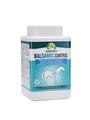
Audevard Balsamic Control - nutritional support designed to manage respiratory conditions, particularly dust/pollen allergies and young race horses in training.
Preventing Hay Fever
Prevention is often easier than managing a severe flare-up.
To help reduce the risk of hay fever:
- Keep stables dust-free and well ventilated
-
Avoid mouldy hay or bedding
-
Steam or soak hay before feeding
-
Use low-dust bedding alternatives
-
Maintain good pasture management
-
Monitor pollen forecasts during peak seasons
-
Introduce respiratory support supplements early in the season
VioVet vet, Dr Sophie Meers BVetMed MRCVS, adds: "Management is important- keep horses stabled in the mornings and midday when pollen counts are highest".
Consistency is key - many horses benefit from ongoing respiratory support throughout allergy season.
Support Your Horse’s Respiratory Health
Hay fever in horses can affect breathing, comfort, and performance, especially during high pollen and dust seasons. Managing allergens, maintaining good stable hygiene, and using targeted respiratory support can help keep horses comfortable and breathing freely.
Explore our range of respiratory supplements for horses designed to support healthy lung function throughout the year.

Horse Hay Fever FAQs
Dr Sophie Meers answers your common questions about horse hay fever.
Can horses get hay fever like humans?
Yes, just like humans horses can have an allergic reaction to airborne pollen, otherwise known as 'Summer Pasture Associated Obstructive Pulmmonary Disease'. However, rather than sneezing, horses symptoms tend to be coughing, wheezing, and exercise intolerance.
Can hay fever in horses be cured?
Hay fever in horses cannot be completely cured, but allergy desensitization (immunotherapy) can be very helpful for a large proportion of horses. Environmental management including avoiding turnout during peak pollen counts and using supplements can significantly reduce symptoms.
Are some horses more prone to hay fever?
Whilst any horse can develop hay fever, very young or older horses are more likely to present with symptoms.
Written by: Dr. Sophie Meers BVSc MRCVS