Encysted redworm can be a concern for horses, but modern worming advice is no longer simply a case of treating every horse at a particular time of year. This vet-reviewed guide explains what encysted redworm is, when treatment may be needed, how horses can be tested and how to reduce the risk of disease while helping to protect wormers from resistance.
| Key Takeaways
Explore VioVet’s full range of horse worming products, including test kits, targeted treatments, and expert advice. |
What is Encysted Redworm?
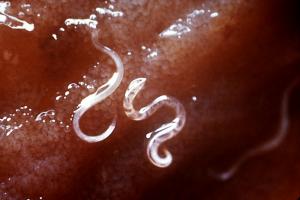
Encysted redworm is the larval stage of small redworm. It burrows into the gut lining as temperatures decrease in the winter and re-emerges in the spring.
When large numbers of encysted redworm emerge all at once in the spring, a potentially fatal condition called larval cyathostomiasis can occur.
Encysted redworm symptoms
Symptoms of larval cyathostomiasis are:
- Diarrhoea
-
Weight loss
-
Peripheral oedema
-
Colic
-
Pyrexia
-
Lethargy

When to Worm for Encysted Redworm - Changing Guidelines from Blanket Worming to a Risk-Based Approach
For many years, it was common practice to give every horse a treatment for encysted redworm during late autumn or winter. However, current guidance has moved away from this blanket approach - this is because repeated use of wormers has led to resistance over time.
CANTER's guidelines now recommend using a combination of risk assessment, monitoring and appropriate pasture management to decide whether worming is actually required.
So, does every horse need treatment for encysted redworm?
No. The decision should take into account the individual horse and its management rather than simply the time of year.
Factors that can influence parasite risk include:
- The horse's age
-
Previous worming and testing history
-
Previous worm egg count results
-
The number of horses sharing the grazing
-
Pasture management
-
Introduction of new horses
-
The horse's clinical history
-
Evidence of wormer resistance on the premises
These factors help determine whether a horse is at low, moderate or higher risk of significant parasite burdens and whether treatment may be appropriate.
| Risk Level | Typical Characteristics |
| Lower Risk |
|
| Moderate Risk |
|
| Higher Risk |
|
Information taken from the CANTER parasite risk assessment.
For example: A mature horse that consistently has low WEC results and is kept under good pasture management may be at relatively low risk. In contrast, a young horse with a history of significant parasite burdens, frequent changes of grazing or other risk factors may require a different approach.

Can encysted redworm be tested for?
A WEC cannot detect encysted redworm, as it only detects eggs produced by adult worms.
A small redworm antibody blood test is available and can provide additional information about a horse’s cyathostomin burden, but it does not specifically detect encysted larvae. Results should be considered alongside the horse’s WEC history and overall risk.
If your horse is showing signs of illness, speak to your vet rather than relying on worm testing alone.
Treatment for Encysted Redworm - If Required
If a horse is considered at risk and treatment is needed, moxidectin or a five-day course of fenbendazole may be considered. However, resistance means the choice of wormer should be based on the individual horse and advice from your vet or SQP.
Moxidectin
Moxidectin is licensed for treating encysted small redworm. It should not be routinely given to every horse, particularly where the horse is considered low risk.
Fenbendazole
A five-day course of fenbendazole can also target encysted small redworm, but resistance is widespread, so it may not be effective in all horses. Your vet or SQP can advise on the most appropriate treatment.
What is the best wormer for encysted redworm?
There isn't one wormer that can be described as the best wormer for every horse.
The appropriate treatment depends on:
- Whether treatment is actually necessary
-
The horse's parasite risk
-
Previous WEC and treatment history
-
The likelihood of resistance
-
The products previously used
-
The horse's age and clinical circumstances
-
Whether there is a need to target encysted larval stages specifically
Moxidectin has licensed activity against encysted small redworm, but that does not mean it should automatically be used whenever a horse has a low WEC or simply because it is winter.
The best approach is to select the right treatment for the individual horse, at the right time, for the right reason.

How to Reduce the Risk of Encysted Redworm
Wormers are only one part of parasite control. Good pasture and horse management can reduce the number of infective larvae that horses encounter and therefore reliance on wormers.
Useful measures include:
- Pick up droppings regularly - Frequent removal of faeces from grazing areas helps reduce pasture contamination.
-
Avoid overstocking - Higher stocking densities can increase the amount of parasite contamination on pasture.
-
Manage grazing carefully - Where possible, consider practices such as resting pasture, rotating grazing and reducing excessive grazing pressure.
-
Be cautious when introducing new horses - New arrivals can introduce different parasite burdens and potentially contribute to the spread of resistant worms. Appropriate quarantine and testing procedures can help reduce this risk.
-
Test rather than automatically treat - Regular WECs can identify horses shedding higher numbers of strongyle eggs and help target treatment where it is most appropriate.
A Quick Step-by-Step Guide to Encysted Small Redworm
Managing encysted redworm starts with understanding your horse’s individual risk. Here’s a simple step-by-step guide to help you decide what to do.
-
Step 1: Assess your horse's risk - Consider age, previous test and treatment results, grazing arrangements, stocking density, clinical history and previous worming practices.
-
Step 2: Carry out regular testing - Use WECs as part of an ongoing parasite control programme. Remember that a WEC cannot detect encysted larvae.
-
Step 3: Consider additional testing where appropriate - A small redworm antibody blood test may provide additional information in some horses, particularly when interpreted alongside WEC results and risk assessment. It should not be used on its own to decide whether treatment is required.
-
Step 4: Don't automatically worm because it is winter - A calendar date or season alone does not mean that every horse requires treatment for encysted redworm.
-
Step 5: If treatment is needed, choose carefully - If a horse is considered to require treatment against encysted small redworm, speak to your vet or SQP about the most appropriate product and consider the resistance situation.
-
Step 6: Continue monitoring afterwards - Keep records of WEC results and treatments. Where appropriate, a faecal egg count reduction test (FECRT) can be used to assess whether a wormer has worked effectively and identify potential resistance.
-
Step 7: Keep working on pasture management - Reducing exposure to infective larvae helps lower the risk of future parasite burdens and reduces reliance on wormers.
Keep Your Horse Protected
Responsible worm control is about more than choosing a wormer. Testing, risk assessment and good pasture management can help reduce unnecessary treatment while protecting the effectiveness of the wormers we still have available.
Explore VioVet's range of horse worm control products and testing options, or speak to your vet or SQP if you're unsure what your horse needs.

Encysted Small Redworm FAQs
VioVet vet, Dr Sophie Meers BVetMed MRCVS, answers your common questions.
Can a WEC detect encysted redworm?
No, the encysted larvae do not produce eggs until they emerge and become adults therefore a WEC is not a reliable test for encysted redworm.
Is there a blood test for encysted redworm?
Yes, your vet can perform a blood test which identifies antibodies against encysted small redworm.
Written by: VioVet