

Rabbits and guinea pigs have a very complex digestive system that relies on what is called ‘Hind Gut Fermentation’. This includes a microflora of healthy bacteria that help them break down the tough forage and fibre they eat. It’s really important you give the right diet to keep this microflora happy and your pet healthy. This sho...
Read More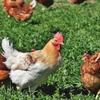
There are many types of internal and external parasites which may affect your laying hens each type can cause different symptoms. Parasites have evolved with birds over millions of years and small numbers of parasites will usually complete their lifecycle in the host without necessarily causing any obvious harm. The common poultry worms are Roundwo...
Read More
The liver is an organ that processes our pet’s nutrients and helps get rid of any toxins. This means a normal functioning liver is a crucial part of our pet’s life, and when it becomes damaged it’s really important to ensure it recovers. Fortunately the liver has a great capacity to repair if we provide it the right environment an...
Read More
When the temperature rises, many owners start searching for how to keep your dog cool and comfortable in hot weather. Dogs are far less efficient at regulating body temperature than humans, which means even a warm summer day can quickly become dangerous if the right precautions aren’t taken. This guide breaks down simple, vet-approved ways to...
Read More
Is it free to sign up to Subscribe & Save? Yes, this service is completely free. Do I have to sign up for a certain length of time? No, there is absolutely no commitment necessary and you're free to cancel at any time. Are all products eligible for Subscribe & Save? Subscribe & Save isn't available for everything. It is available on a w...
Read More
Making sure our pets have the correct nutrition throughout their lives is extremely important, especially as they get older. A properly balanced diet tailored to their needs will help to ensure that they continue to thrive as they progress through their twilight years. As our dogs age they tend to gain fat but lose muscle and overall are prone to o...
Read More
This vet-approved guide explains what fly strike is, how to spot early warning signs, and most importantly, how to prevent it. Protecting your bunny starts with knowledge and a few simple steps. Key Takeaways Fly Strike is a life-threatening condition where flys lay eggs on soiled rabbit fur, hatching into maggots that burrow into the skin....
Read More
Approximately 25% of dogs will suffer from osteoarthritis in their lifetime. This is where one or multiple joints are inflamed and painful - something which is most commonly due to aging. It’s not just our pet dogs that are affected either; in one study 90% of cats over the age of 12 had signs of osteoarthritis on x-ray. How do I know if my p...
Read More
Regular grooming is essential for keeping your dog comfortable, healthy and looking their best. From choosing the right dog grooming tools to understanding how often you should bathe your dog, these dog grooming tips cover everything you need for stress-free grooming at home. Key Takeaways The right dog grooming tools make home grooming easier...
Read More
Horses are designed to be trickle feeders, chewing high fibre roughage for the majority of the day. Their digestive systems are adapted to efficiently use this fibre for energy, with 60-70% of a horse’s energy requirements coming from the hindgut. The population of micro-organisms in the hindgut ferment the high fibre roughage to slowly relea...
Read More