
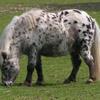
As we all know, being overweight is just as serious as being underweight and this is no different in horses. Carrying excess weight puts extra strain on joints and ligaments as well the major organs. Obese horses and ponies are much more likely to develop conditions such as laminitis, insulin resistance and equine metabolic disorder. If...
Read More
Trimming the cat’s claws is a prospect that probably fills most owners with dread. They’re squirmish and stubborn creatures at the best of times and many cats really hate being handled. This makes restraining them for long enough to have their claws clipped a bit of a challenge. While most cats can maintain their claws themselves, for s...
Read More
Wondering how to brush your dog's teeth without stress or struggle? With the right approach, tools, and routine, you can keep your dog’s mouth healthy, and even make brushing an enjoyable part of their day. Key Takeaways: Start dental care early: Introduce brushing gradually to puppies to help them get comfortable and even enjoy it. Use...
Read More
Whether you're on the cusp of bringing home your very first pooch or you and your faithful friend have been inseparable for years, microchipping is a term you are likely to have heard a lot recently, largely because of an impending change in the law that will make it compulsory. If your dog isn't yet microchipped, you can find out all about it belo...
Read More
Myxomatosis is a devastating viral condition affecting rabbits everywhere. As a responsible rabbit owner, it is important that you know the signs and symptoms for recognising infection and treating it immediately. While the chances of survival in affected rabbits used to be nil, widespread immunity has meant that survival rates are up slightly, wit...
Read More
Some sure-fire steps and suggestions for ensuring the health and fitness of your dog (whether puppy, adult or senior)... Several factors can influence the exercise needs of your dog, including its age, breed and state of health. The quality and quantity of exercise needed will vary as your dog ages or experiences periods of weight change or convale...
Read More
Hairballs are a common but unpleasant reality of cat ownership, caused by normal grooming behaviours and seasonal shedding. This vet-reviewed guide covers how to prevent hairballs in cats, and help reduce their discomfort. Key Takeaways Hairballs form when cats ingest loose hair during grooming, especially during periods of heavy shedding. Re...
Read More
Having pets is a privilege many of us enjoy, and while little things such as shedding can be aggravating and unsightly, it is a small price to pay for having such loveable companions. The shedding of hair is connected to daylight hours and diurnal changes, something which not everyone knows. This means that as we emerge through winter an...
Read More
Knowing the weight of your horse is important when it comes to worming and following feeding guides on the back of feed bags but your horse’s weight doesn’t tell you whether he is too fat or too thin. Two horses of the same height could weigh totally different amounts but both be in ‘good condition.' So how do you know if your hor...
Read More
What is Equine Atypical Myopathy? Equine Atypical Myopathy (EAM) is a severe condition affecting the muscles of horses and donkeys. EAM has been reported in various parts of the world since the 20th century and has a high mortality rate of 70-80%. The problem presents sporadically, although it is most common in autumn grazing horses when pastures a...
Read More