
Many dog owners ask, 'what is the best wormer for dogs?'. The answer depends on your dog's age, lifestyle, and risk of exposure. This guide explains the different types of dog wormers and how to choose the most suitable option for your dog.
| Key Takeaways
Shop over-the-counter dog worming treatments to keep your pet protected. |
Does My Dog Need Worming? - Why Routine Worming Matters
Worms are more than just a nuisance. If left untreated, they can cause serious health complications for your dog.
Puppies and older dogs are especially vulnerable, but all dogs are at risk - even those that spend most of their time indoors can pick up worms from contaminated soil, other animals, fleas, or even on their owner's shoes.
If left untreated, worms can:
- Cause extreme discomfort from itching
-
Lead to diarrhoea, vomiting and weight loss
-
Trigger life-threatening complications like lungworm infections - especially dangerous in the UK
-
In puppies, can result in respiratory issues, bloated stomachs and poor growth
Worm infections don't always show obvious symptoms, which is why routine worming is so important.
Note: If your dog is showing signs of illness, it's important to seek veterinary advice. A veterinarian can identify the type of parasite involved and recommend the most appropriate treatment.

The Best Wormers for Dogs
"The most appropriate worming routine depends on your dog's lifestyle and local parasite risk" Dr Nicholas Garside BVetMed MRCVS advises. "It's important to ensure your dog is on a plan that treats the worms they are likely to encounter".
The most common worms affecting dogs in the UK are:
- Roundworms
-
Hookworms
-
Whipworms
-
Lungworms
-
Tapeworms
No single active ingredient protects against every type of worm, which is why a combination tablet, and often 2 types of wormer, are often advised to be used together.
| Wormer Type | Covers | Best For | Prescription Required? |
| Over-the-counter tablets | Roundworms, hookworms, whipworms, tapeworms | Most adult dogs | No |
| Over-the-counter liquids, pastes and sachets | Roundworms, hookworms, whipworms | Puppies and small dogs | No |
| Prescription-only | Lungworm plus common intestinal worms* | Dogs at risk of lungworm | Yes |
* Tapeworm treatment may require a separate product depending on the medication prescribed.
When choosing a wormer, consider:
- Your dog's age - general guidance is to worm puppies at 2, 5, 8, 10 and 12 weeks of age then monthly until 6 months old. The average healthy adult dog should be wormed every 1 to 3 months depending on their lifestyle, with monthly worming advised for senior dogs.
-
Whether they scavenge, hunt, or eat raw food - this behaviour is associated with increased risk of worm infection, so monthly worming is often advised.
-
Exposure to slugs and snails - these carry lungworm, so a wormer that treats for this parasite is strongly advised for dogs that may eat or play with molluscs.
-
Contact with other dogs - interacting with other dogs, such as licking (especially of the rear) and ingesting faeces is one of the main ways dogs encounter parasites.
-
Ease of administration - it's important to ensure your dog receives a full dose of the product you're using, underdoses can predispose to out of control worm infestations.

1. Over-the-Counter Tablets
Tablets are the most widely used option for routine worm control. Tablets are affordable, effective, often palatable, and many products treat multiple types of worms in a single dose (including roundworms, hookworms, whipworms, and tapeworms).
Best suited to:
- Most adult dogs
-
Dogs that swim frequently - as spot-on wormers can wash off if they have not dried yet.
-
Owners looking for a cost effective worming solution - over-the-counter tablets are often much more affordable than prescription wormers.
Recommended Products:
- VioVet TermaWorm Tablets - An affordable, vet-strength wormer containing the same trusted active ingredients found in leading brands. Effective against common roundworms, hookworms, whipworms and tapeworms found in the UK.
-
Drontal Wormer Tablets - fast-acting tablets that treat all common intestinal worms in UK dogs, with a tasty bone-shaped tablet dogs love.
Note: Over-the-counter tablets do not cover canine lungworm.

2. Over-the-Counter Liquids, Pastes and Sachets
Liquids, sachets, and pastes are most commonly used for puppies and dogs that struggle with tablets. These are especially convenient for mixing into food, or syringed directly into the mouth.
Best suited to:
- Puppies following frequent worming schedules and at low risk of tapeworm infection. Tablets are advised to only be used in weaned pups who can chew and ingest them effectively.
-
Small adult dogs - larger dogs will need large volumes of liquid which may be impractical.
Recommended Products:
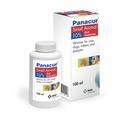
- Panacur Liquid Wormer - gentle, effective treatment against roundworms and other intestinal parasites in puppies and adult pets. This is currently the only liquid formulation on the market suitable for adult dogs.
-
Drontal Puppy Liquid Wormer - an easy-to-use liquid formula that helps keep harmful intestinal worms at bay for puppies.
-
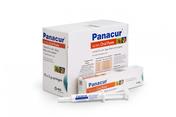
Panacur Paste - a trusted, broad-spectrum worming treatment for dogs and puppies, helping protect against common intestinal worms.
-
Panacur Sachets - a convenient granular form that can be mixed into food, or a small treat.
Note: Liquid, sachet, and paste wormers don't treat all species of tapeworms or canine lungworm.
3. Vet-Prescribed
Prescription-only options are often needed for more serious parasites such as heartworm and lungworm. These products come in tablet or spot-on form, and contain active ingredients which are only available through your vet or an online pharmacy like VioVet with a valid prescription.
These also cover other common worms (including roundworms, hookworms and whipworms). A tapewormer is usually required separately - products containing praziquantel will cover this such as Droncit or TermaWorm.
Best suited to:
- Dogs that scavenge outdoors - this may include the ingestion of molluscs that transmit canine lungworm (e.g. snails/slugs).
-
Dogs exposed to slugs and snails - these are the intermediate hosts that transmit canine lungworm.
-
Dogs requiring mite preventative cover - prescription products containing moxidectin also cover for mites, which over-the-counter products cannot.
Note: Prescription status helps ensure these treatments are used safely. This may be because the active ingredients require careful dosing, or the conditions they treat can be serious and require veterinary assessment and monitoring.
Recommended Products
- Your vet can advise on the most appropriate prescription based on your dog's lifestyle and parasite risk.

Want to better understand how to buy your pet's medication online? Read our guide: How to Buy Pet Medication Online Safely.
Veterinary Recommended Worming Plan
With the different types of worms and wormers available, it can feel a little overwhelming. For the average adult dog in the UK, the gold-standard parasite control plan is:
- Lungworm - Monthly
-
Roundworms, hookworms and whipworms - Monthly
-
Tapeworms - Every 3 months
Canine lungworm is a significant risk in the UK, but prescription wormers do come with a cost barrier (in price and prescription fee). An affordable alternative is to use over-the-counter combination tablets, such as TermaWorm, which cover all common UK worms (including tapeworm) except for canine lungworm.
| Dog Lifestyle | Recommended Worming Frequency |
| Indoor, low-risk | Every 3 months |
| Goes off-lead frequently | Monthly |
| Hunts/Scavenges/Raw Diet | Monthly |
| Lives with other pets | Monthly |
| Lives with vulnerable individuals (young or elderly) | Monthly |
| Puppies (0-12 weeks) | Every 2 weeks |
| Puppies (3-6 months) | Monthly |
If you would like further guidance, get in touch with our customer service team. We have registered veterinary surgeons and animal medicine advisors who can help you with a tailored worming plan for your individual pet.
Keep Your Dog Protected
The best wormer for your dog depends on their lifestyle, age and parasite risk. For many dogs, a broad-spectrum wormer provides effective routine protection, while dogs at risk of lungworm may require prescription treatment from their vet. The most important factor is choosing an appropriate worming plan, and following it consistently throughout the year.
Shop over-the-counter dog wormers to keep your dog protected every season.

Learn more
- How to Get Rid of Worms in Dogs - Learn about the signs of worms and the different treatment options available.
-
How Often to Flea and Worm Dogs - Find out more about worming frequency, and how flea and worm control work together tailored to your dog.
Written by: VioVet