
This guide explains how to tell if your dog might have worms, what to do if you suspect an infection, and the treatment options available. It also covers ways to reduce the risk of worms coming back.
| Key Takeaways
If you're looking for a suitable product, you can browse our dog worming treatments. |
How Do I Know If My Dog Has Worms?
Worm infections can be difficult to spot because not all dogs show obvious symptoms. Some dogs may appear completely healthy even when they have a worm infection.
Possible signs include:
- Worms or segments in stool, vomit, or around the anus
-
Weight loss despite normal or increased appetite
-
Coughing, sneezing, or difficulty breathing (lungworm)
-
Diarrhoea (sometimes with blood) or vomiting
-
A dull, brittle coat or hair loss
-
Scooting or itching around the rear
-
A swollen, pot-bellied appearance (especially in puppies)
If your dog shows concerning symptoms, or if you’re unsure, it’s always best to speak with your vet.

How to Treat Worms in Dogs
If you suspect your dog has worms, the appropriate treatment depends on factors like your dog’s age, lifestyle, and the type of worms they’re at risk of. Different worming medicines target different parasites, so it's important to check the product information carefully rather than assuming one treatment will cover every type of worm.
If you're unsure which treatment is appropriate, speak to your vet or ask a veterinary professional for advice.
1. Tablets (Oral Treatments)
Tablets are one of the most widely used ways to treat worms in dogs. They’re fast-acting, cost-effective, and many cover multiple types of intestinal worms in just one dose.
- Pros: Affordable and widely available. Highly effective against a broad range of worms.
-
Cons: Some dogs can be reluctant to eat tablets, although most are flavoured and so taken as a treat.
Tips for Giving Tablets:
-
Hide tablets in a treat (like cheese, sausage, or a pill pocket)
-
Use a pill popper if your dog refuses to take them
-
Always follow the dosage instructions carefully.
You can browse dog worming tablets as part of our wider range of dog worming treatments.
2. Liquids
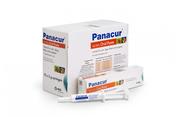
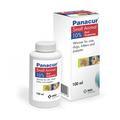
Liquid wormers are most commonly used to worm puppies, although there is one formulation on the market available for adult dogs too. They can be mixed into the feed or syringed directly into the mouth.
- Pros: Great for puppies. Can be mixed into palatable feed easily.
-
Cons: Do not treat tapeworms or canine lungworm. Larger dogs will need large volumes of liquid to worm and so this may be practically difficult.
3. Vet-Prescribed
Prescription wormers are often needed for tackling more serious parasites like lungworm and heartworm. These treatments are available from your vet or from an online pharmacy with a vet’s prescription. They come in tablet or spot on form.
- Pros: Tailored to your dog’s lifestyle and essential for treating or preventing lungworm and heartworm.
-
Cons: Require a prescription, which may involve extra cost and a vet visit.
Tip: Ask your vet which product best suits your dog’s risk level - for example, dogs that eat slugs or snails would benefit from monthly lungworm protection.
4. Spot-Ons
Spot-ons are applied directly to your dog’s skin, usually between the shoulder blades. The spot on wormers available on the market for dogs are all currently prescription only and also treat external parasites, such as fleas. They can be a good alternative if your dog refuses tablets.
- Pros: Convenient for dogs that dislike tablets. Application is quick.
-
Cons: Some spot-ons may not cover every type of worm. Correct application is essential for effectiveness.

Preventing Worms from Coming Back
Prevention is just as important as treatment. To reduce the risk of reinfection:
- Regular flea treatments – fleas can transmit tapeworms, so protect your dog year-round by also carrying out regular flea treatment.
-
Clean environment – pick up faeces promptly and keep living areas clean.
-
Safe diet – avoid feeding raw or undercooked meat.
-
Consistent worming – stick to a schedule based on your dog’s risk level.
-
Reduce scavenging - recall your dog when they attempt to scavenge, particularly on other dog’s faeces, wildlife remains and slugs/snails
For more information about worming frequency, read our guide to how often to flea and worm dogs.
Keep Your Pet Protected
If you suspect your dog has worms, understanding the possible signs and getting appropriate advice are important first steps. The right treatment depends on the parasite involved and your dog's individual circumstances.
For further guidance, read our articles on choosing the best wormer for dogs and how often to flea and worm dogs.
If you already know which product you need, you can also browse VioVet's range of dog worming treatments.

Written by: VioVet