
Cat dental care is one of the most overlooked aspects of feline health, yet it plays a vital role in your cat’s comfort, wellbeing, and longevity. From bad breath to painful dental disease, a simple and consistent routine can help prevent serious problems and keep your cat feeling their best.
| Key Takeaways
Explore our full range of cat dental care products to find simple, stress-free solutions for every cat. |
Why Is Cat Dental Care So Important?
Dental care for cats is about far more than fresh breath. When plaque builds up on your cat’s teeth, it hardens into tartar, irritating the gums and leading to issues. Left untreated, this can result in tooth loss and chronic pain.
Even more concerning, bacteria from the mouth can enter the bloodstream which can lead to internal organ damage, including the heart, liver, and kidneys.
Common problems with cat teeth include:
- Gingivitis – red, swollen, or bleeding gums
-
Periodontal disease – infection of the tissues supporting the teeth
-
Tooth resorption – a painful condition unique to cats
-
Loose or missing teeth
-
Chronic bad breath
Understanding these risks highlights why dental care should be a routine part of your cat’s health plan, not an afterthought.
Signs of Dental Issues in Cats
Dental disease in cats often develops silently.
Keep an eye out for these common warning signs:
- Persistent bad breath
-
Yellow or brown plaque on teeth
-
Red, swollen, or bleeding gums
-
Excessive drooling
-
Pawing at the mouth
-
Difficulty eating or dropping food
Behavioural changes linked to dental pain:
- Reduced appetite or preference for soft food
-
Grooming less frequently
-
Withdrawal or hiding
-
Irritability or aggression
If you notice any of these signs, contact your vet for advice.

Cat Dental Care Tips: What Are the Best Options?
There is no one-size-fits-all approach to cat dental care. The best routine is one your cat will tolerate consistently.
1. Brushing Your Cat’s Teeth
Brushing is the most effective way to remove plaque before it hardens. This is best suited for cats who are relaxed, confident, and accustomed to handling.
Do you need to brush cats’ teeth?
Ideally, yes - but many cats won’t tolerate traditional brushing. Even gentle finger brushing or applying toothpaste along the gumline can help.
How to brush your cat’s teeth:
- Use cat-specific toothpaste only (never human toothpaste)
-
Let your cat taste the toothpaste first
-
Start by gently rubbing along the gum line with your finger
-
Progress to a finger toothbrush if tolerated
-
Keep sessions short and calm
-
Stop if your cat becomes stressed and try again later
-
Reward with praise, affection or a dental treat
Recommended products
- Beaphar Toothbrush & Toothpaste Kit - contains toothpaste and a toothbrush, offering cost-effective, easy-to-use protection for your cat’s teeth.
-
Trixie Cat Silicone Finger Toothbrush Set - simply place on your finger and use on your cat’s teeth.
-
Virbac Enzymatic Toothpaste - suited for regular use, containing ingredients formulated to target plaque and improve the overall health of your pet’s mouth.
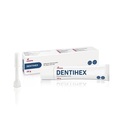
2. Dental Pastes, Powders, Chews & Granules
Dental pastes, powders, chews or granules help reduce oral bacteria and soften plaque over time. They can be used alongside brushing or on their own.
Recommended products
- OraFresh™ Oral Hygiene Paste - a gentle dental paste that helps reduce bacteria and plaque; apply once daily to the teeth and gums (with or without brushing), or add to food or a paw for licking.
-
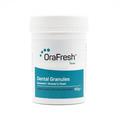
OraFresh™ Dental Granules - an easy-to-use supplement that helps reduce oral bacteria and freshen breath; simply mix the recommended daily amount into your pet’s food.
-
PlaqEase Pre & Postbiotic Dental Powder - daily supplement simply sprinkled onto your cat’s food to help reduce plaque and bad breath.
-
PlaqueOff Dental Bites - tasty treats that can be fed daily to help reduce plaque, tartar and bad breath.
3. Water Additives
Water additives are one of the easiest ways to support cat dental care. Simply added to fresh drinking water, they help reduce bacteria and freshen breath with no handling required.
Best suited for: Fussy or nervous cats, multi-cat households, and owners seeking low-stress solutions.
Recommended products
- OraFresh™ Oral Care Solution - a dental water additive that helps reduce oral bacteria and freshen breath - simply shake well and add to your cat’s fresh drinking water daily, replacing the water every 24 hours.
-
Virbac Aquadent Water Additive - daily water additive that targets plaque-forming bacteria and the digestive causes of bad breath.
4. Diet & Dental Food
Certain dry foods and veterinary-formulated diets can support your cat’s teeth by helping to reduce plaque buildup through gentle abrasion during chewing.
Veterinary formulated diets should only be used alongside advice from your vet, so it’s important to discuss this with them before starting one.
Recommended products
- Royal Canin Dental Food - specially designed kibble for oral health and high-quality nutrition.
-
Hill’s Dental Care Diets - clean teeth to the gum line, freshen breath and support overall oral health.

Which Option is Best for My Cat?
VioVet vet Dr Nicholas Garside BVetMed MRCVS suggests: “There are many ways to help care for your cat's teeth. Choosing one or multiple methods that are best suited to your pet is important for helping reduce or prevent dental decay”.
“Ultimately, all products are good for all animals. I wouldn’t advise one instead of another. Owners are best just using as many as they can and compromising to whatever suits their pet.”
When to See the Vet
Even with excellent home care, professional veterinary checks are essential. Your vet can check your cat’s teeth at their annual health check or vaccination appointment and discuss their oral hygiene care with you.
Contact your vet for a consultation if you notice:
- Severe or sudden bad breath
-
Bleeding or inflamed gums
-
Loose or broken teeth
-
Signs of pain when eating
Veterinary dental treatment may involve a professional clean under anaesthetic and tailored advice for ongoing care at home.
Support Your Cat’s Dental Health
Cat dental care doesn’t have to be stressful. With the right combination of products and routines, you can protect your cat’s health, improve their comfort, and prevent painful dental disease as they age.
Browse our full range of cat dental care products to find easy solutions that fit into your daily routine.

FAQs About Cat Dental Care
How do you remove plaque from cats’ teeth?
Hardened plaque deposits require grinding or scraping motions to remove. It is unlikely your cat will naturally chew these off as they tend not to carry out gnawing behaviour instinctively. If you notice plaque then it is best to see your vet so they can advise whether a scale and polish dental procedure is required.
Why does my cat have bad breath?
Halitosis (bad breath) is often caused by bacteria or food particles in the mouth. It is usually a sign of poor oral hygiene and can be a sign of dental disease.
How to treat bad breath in cats
Improving oral hygiene is the best way to get rid of bad breath in cats. Brushing and adding in dental powders/pastes/liquids to the diet all help to improve this. If bacterial/plaque build up is severe then veterinary intervention may be required, such as a scale and polish procedure.
Do Cats Need Dental Care?
Yes—cats absolutely need dental care. Despite their natural grooming habits, cats cannot clean plaque from their teeth on their own. Dental disease often progresses quietly, and many cats continue eating even when they are in pain, making problems easy to miss.
Routine dental care for cats helps:
- Reduce plaque and tartar buildup
-
Prevent gum disease and tooth loss
-
Improve appetite and comfort
-
Eliminate bad breath
-
Support long-term overall health
Written by: VioVet