
Protecting your dog from fleas and worms is essential for their health and happiness. This vet-reviewed guide covers how often to flea and worm your dog, and the importance of tailoring this to suit their lifestyle.
| Key Takeaways:
Check out our over the counter Flea and Worming ranges to keep your dog protected.
|
Why Flea and Worm Prevention Matters
Fleas and worms are more than just a nuisance - they can cause serious health complications if left untreated. Puppies and older dogs are especially vulnerable, but all dogs are at risk, depending on where they go, what they do, and who they interact with.
That’s why it’s not just about “how often” - it’s about what’s right for your dog’s lifestyle.
The Risks of Not Treating Fleas and Worms
It's easy to miss the early signs of an infestation. A glossy coat can hide a tapeworm. A sleepy dog might be battling anaemia. Left untreated, parasites can:
- Cause extreme discomfort due to constant itching.
-
Lead to weight loss, diarrhoea, and vomiting.
-
In puppies, trigger poor growth, bloated stomachs, and respiratory problems.
-
Result in life-threatening complications like lungworm infections (especially dangerous in the UK).

How Often Should You Worm Your Dog?
Adult dogs may need worming once a month or once every three months, depending on how they live. We shouldn’t wait for trouble to rear its head before taking action. Routine worming helps prevent symptoms before they start.
Low-risk dogs (mostly indoors):
- Worming every 3 months is usually sufficient, as a precaution
-
This is ideal for dogs with little exposure to wildlife, raw meat, or contaminated soil
High-risk dogs (outdoor, social, scavengers):
- Worming every month is often necessary
-
Dogs who scavenge, hunt, eat raw food, or live in groups are more likely to pick up worms from the environment
VioVet vet Dr Nicholas Garside BVetMed MRCVS also adds:
“If your pet is at risk of eating slugs/snails then monthly worming with a product containing either milbemycin or moxidectin is recommended to prevent against Canine Lungworm, regardless of their ‘risk’ category.”
Dog Worming Schedule
| Dog's Lifestyle | Worming Treatment |
| Indoor, low-risk | Every 3 months |
| Goes off-lead frequently | Monthly |
| Hunts/Scavenges/Raw Diet | Monthly |
| Lives with other pets | Monthly |
| Puppies (0-12 weeks) | Every 2 weeks |
| Puppies (3-6 months) | Monthly |
Set calendar reminders or use a pet care app to stay on track.
Treating Worms
Dogs can be treated with a range of over-the-counter worming products.
- Worming Tablets - one of the most widely used ways to treat worms in dogs, and many cover multiple types of intestinal worms in just one dose.
-
Spot-On Treatments - applied directly to your dog's skin, spot-on wormers on the market for dogs are currently all prescription only. They can be a good alternative if your dog refuses tablets.
-
Liquid Wormers - most commonly used to worm puppies, but there is one formulation on the market available for adult dogs too.
-
Vet-Prescribed Wormers - often needed for tackling more serious parasites like lungworm and heartworm. Available with a vet prescription.
It is important to note that there are no over the counter wormers, including our own brand range, that protect against Canine Lungworm. Only Prescription products containing either milbemycin or moxidectin will treat this specific parasite. These can be purchased from our website alongside a written prescription from your vet.

How Often Should You Flea Your Dog?
Fleas are persistent - and they’re not just seasonal. With heated homes and mild winters, fleas can thrive indoors year-round.
- Apply your chosen flea treatment as often as the dosing instructions advise, without gaps
-
This is especially important for dogs who go off-lead, mix with other pets, or live in multi-animal households
Fleas can also transmit tapeworms, so flea control plays a crucial role in your dog’s worming routine too.
Treating Fleas
A successful flea strategy means treating your pet and your home.
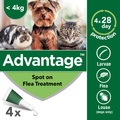
- Spot-On Treatments - applied to your dog's skin, fast-acting and kill fleas, ticks, and biting lice, depending on the formula.
-
Collars - offer long-lasting protection in a single application, making them a convenient alternative to monthly treatments.
-
Oral Tablets - kill fleas when they bite your dog, suitable for dogs who don't tolerate topical applications.
-
Treating Your Home - household flea sprays like Indorex Defence or Dechra RIP Fleas help keep your home clean alongside vacuuming and hot washing pet bedding.

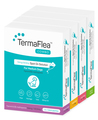
Customer review for VioVet TermaFlea and TermaWorm products - offering the same active ingredients as leading vet-recommended brands.
Keep Your Dog Protected
Whether your dog needs monthly or quarterly worming, or consistent flea protection every 4 weeks, our range is designed to fit around your dog’s lifestyle and your budget - without cutting corners on quality.
Explore our Dog Flea and Worming Treatments today and give your dog the protection they need.

FAQs
Do indoor dogs still need flea and worm treatments?
Yes. Even indoor dogs can pick up parasites from contaminated shoes, clothes, or other pets. Regular prevention is essential.
What happens if I miss a treatment?
Missing a dose can leave your dog unprotected. Resume treatment as soon as possible and speak to your vet if you're unsure how to get back on track.
Can fleas give my dog worms?
Yes. Fleas can carry tapeworm larvae, which your dog can ingest while grooming. This is why flea and worm treatments go hand-in-hand.
What are the signs that my dog has worms?
Common signs include:
- Scooting or rubbing their rear
-
Weight loss despite eating well
-
Bloated belly (especially in puppies)
-
Diarrhoea or visible worms in stool
-
Lethargy and dull coat
Can I treat my dog for both fleas and worms at the same time?
Yes, many owners treat for both together, and some products offer dual protection. Just ensure treatments are compatible and correctly dosed — check the label or consult your vet.
Written by: VioVet