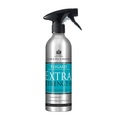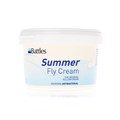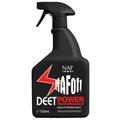
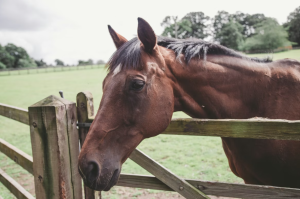
If you’re wondering how to protect horses from flies this summer, this vet-approved guide gives you everything you need to know to get started.
| Key Takeaways
Explore the complete fly control range for horses to keep your horse protected. |
Summer should mean long hacks and sunshine - not tail swishing and itchy skin. If your horse spends sunny days doing the “fly shuffle,” you’re not alone. Flies are one of the season’s biggest buzzkills. The good news? With a smart, early, layered approach, you can keep them in check.
Know the enemy
Flies are more than annoying: they affect comfort, skin health, and can spread disease. Understanding fly types and control strategies improves wellbeing.
Horses face ectoparasites including house, horse, stable and black flies, bot flies, mosquitoes, midges, lice, ticks, and mites. Each behaves differently but all cause irritation if numbers build.
Flies can lead to:
- Dermatitis and itchy skin
-
Lumps and lesions
-
Eye irritation/conjunctivitis
-
Headshaking
-
Contaminated wounds
They may aid transmission of sarcoids; biting midges (Culicoides) drive sweet itch; and mosquitoes can spread other diseases such as West Nile Virus, although this is not yet found in the UK.

Why stable management matters
Most flies breed in warm, damp areas, including:
- Manure
-
Wet bedding
-
Spilled feed
These can then spread bacteria to eyes and wounds. Good yard hygiene is one of the most effective controls.
Dress for success: Rugs and masks
Keep irritation to a minimum by covering the areas flies target most. Lightweight, breathable protection helps horses stay comfortable in the field and stable while reducing rubbing and stress from biting insects.
- Fly rugs - provide a protective barrier for the shoulders and belly
-
Fly masks - provide a protective barrier for the face
Combining fly rugs and masks with sprays or treatments improves protection.
Repellent or insecticide?
The right fly control starts with understanding how each option works.
- Repellents: Make horses less attractive to flies.
-
Insecticides: Kill insects on contact, reducing numbers. Start early and maintain through summer.
Understanding insecticides
Some are Veterinary Medicinal Products licensed by the VMD. Common actives are:
- Pyrethrum (natural)
-
Cypermethrin
-
Permethrin
-
Benzyl benzoate
These are prescription medicines which are tested in accordance with the requirements for safety and efficacy. Cypermethrin products can protect for up to four weeks.
Timing is everything
Effective fly control is all about consistency. Starting early and adapting your routine as conditions change can help prevent fly populations from building up and keep horses more comfortable all season long.
- Start in spring
-
Maintain daily hygiene
-
Use rugs and masks throughout
-
Reassess every few weeks and adjust to conditions
Build your summer fly plan
Small, regular actions can have the biggest impact. A structured routine helps tackle flies at every stage while making it easier to spot any issues before they become more serious.
- Daily: Pick up droppings, check water, sweep spills, apply repellent as needed.Refresh bedding, check rug/mask fit, inspect skin and eyes.
-
Fortnightly/Monthly: Rotate or reapply longer-acting treatments per label; manage muck heaps/breeding spots.
-
Vet check: Persistent itching, hair loss, sores, or eye issues.
When to call the vet
Some signs go beyond routine fly irritation and need professional assessment. Early veterinary input can prevent complications and ensure underlying skin, eye, or systemic issues are properly treated.
You should contact the vet if you notice the following:
- Intense itching/self-trauma (possible sweet itch)
-
Non-healing lesions or suspicious lumps
-
Eye discharge, swelling, repeated squinting
-
Unusual headshaking/behaviour changes
-
Signs of systemic illness, especially in mosquito-heavy regions
Bottom line
Start early, keep things clean, cover up, and choose approved products. With a consistent, combined approach, you’ll keep flies at bay and your horse comfortable all summer.
Explore the complete fly control range for horses to keep your horse protected.

References:
-
Reed SM, Bayly WM, Sellon DC. Equine Internal Medicine. Elsevier. p1159–1216
-
Golding N, et al. Parasites & Vectors. 2012;5:32. doi:10.1186/1756-3305-5-32
-
Townsend L. University of Kentucky. https://entomology.ca.uky.edu/ef514
For further information contact your Zoetis Account Manager or call Head Office on 0345 300 8034.
For further information contact Zoetis UK, Springfield Drive, Leatherhead , Surrey KT22 7LP www.zoetis.co.uk. Customer Support: 0345 300 8034 or [email protected].
Use medicines responsibly (www.noah.co.uk/responsible). Prescription decisions are for the person issuing the prescription alone.
Written by: Dr Wendy Talbot, Equine Vet, Zoetis (Guest Author)