
Joint health plays a vital role in a dog’s comfort and mobility, but many owners still ask, what is the best joint supplement for dogs? With so many options available, choosing the right one isn’t always straightforward. This guide breaks down what to look for in a quality supplement and how the right choice can support joint health preventatively and as dogs age.
| Key Takeaways
Explore our full range of dog joint supplements to support your pet’s long-term health. |
Does My Dog Need a Joint Supplement? - Preventative vs Reactive Care
It’s common for pet owners to wonder whether their dog really needs a joint supplement. While many supplements are used reactively to help dogs already showing stiffness or arthritis, they can also be highly effective as part of a long-term preventative strategy.
Early support is particularly beneficial for dogs prone to joint issues. Common risk factors for joint problems include:
- Age (puppies with growing joints, seniors with mobility changes)
-
Breed (large breed dogs like German Shepherds can be prone to hip or elbow dysplasia, whilst small breed dogs like Dachsunds can be prone to intervertebral disc disease)
-
Lifestyle (active working dogs may experience greater than average stress on their joints)
Note: If your dog seems to be in pain, only a veterinarian can properly assess them, rule out other potential causes, and recommend the most appropriate support. If you’re concerned about an existing condition or symptoms, a vet check-up is the best first step.

The Best Joint Supplements for Dogs
"Supporting your dog's joints is a great way to maintain their mobility through their life, especially in their senior years. Having a basic understanding of what ingredients help the joints is really useful when choosing an appropriate product from the wide range found on the veterinary market" - Dr Nicholas Garside BVetMed MRCVS states.
The best joint supplement for your dog depends on their lifestyle, and preferences. When looking for a product, check for key ingredients known to support joint health such as: Glucosamine, Chondroitin, MSM, Hyaluronic acid, and Omega-3s.
You can add these ingredients to your dog’s routine in several forms, depending on what they enjoy and what fits best into daily life:
1. Chews & Treats
Chews are convenient, tasty, and easy to integrate into your dog’s daily routine. They are best suited to dogs that are fussy with what they eat, as they mimic treats in taste and texture.
Recommended Products:
- VioVet Joint Force® Soft Chews – Tasty bacon chews packed with glucosamine, MSM, hyaluronic acid, turmeric, and key vitamins. Ideal for dogs who prefer a soft, treat-like supplement.
-
YuMove Joint Care Daily Bites for Adult Dogs - This product contains the same active ingredients as the tablet version but in a tasty bitesize treat.
2. Tablets & Capsules
Tablets and capsules often contain higher concentrations and/or a wider selection of beneficial active ingredients compared to tasty chews/treat versions. They are the recommended choice for the average dog requiring supplementation.
Recommended Products:
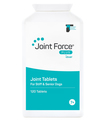
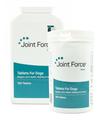
- VioVet Joint Force® – A daily tablet designed to support joint tissue repair and renewal. Ideal for dogs of all ages to maintain joint mobility.
-
VioVet Joint Force® PLUS for Stiff & Senior Dogs – High-strength formula with extra omega-3s and collagen, targeting joints already showing signs of stiffness. Great for dogs requiring extra support, such as working or senior dogs.
-
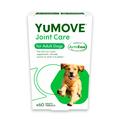
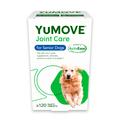
YuMove Joint Care - Recommended for dogs starting to show early signs of stiffness, YuMOVE Joint Care works to keep your dog active by – soothing stiff joints, supporting joint structure and helping mobility.
-
YuMove Max Strength Joice Care for Senior Dogs - The tasty tablets contain a clinically proven formula that is 50% stronger than standard YuMOVE Joint Care, working even harder to soothe stiffer joints, aid mobility and support joint structure.

3. Oils & Powders
Oils (such as salmon or fish oil) and powders that can be mixed into food, provide additional omega-3 fatty acids and antioxidants to help reduce inflammation and support joint resilience. Some powders also include hyaluronic acid for joint lubrication. These are best suited to dogs who won’t take tablets, capsules or chews, as they can be mixed into wet food for administration.
Recommended Products:
- EpiGlow Scottish Salmon Oil - Our oil is extracted at low temperatures from sustainably sourced Scottish salmon to preserve the naturally rich levels of omega-3 (EPA & DHA), 6 and 9. The easy-to-use pump makes measuring out the right amount simple, with absolutely no mess!
-
ArthriAid Omega Liquid - Contains glucosamine, chondroitin, MSM, manganese, Vitamin C and Omega 3 Fatty Acids to help support the joints.
4. Joint-Friendly Foods
Specially formulated diets with added glucosamine, chondroitin, and omega-3 fatty acids can support joint health alongside supplements. These diets are used instead of your dog’s normal diet and so are great for convenience. The joint supplement is already included in the food so you do not need to remember to add this alongside their normal diet
Recommended Products
- Veterinary diets - these diets should only be used alongside veterinary advice, but can be purchased online without prescription. Examples include Hills J/D, Purina JM and Royal Canin Maxi Joint
Veterinary Insight: Getting the Best Results from Joint Supplements
Dr Nick Garside BVetMed MRCVS suggests: "It is best to choose one comprehensive joint supplement or diet rather than mix multiple types. If you are aiming to improve certain signs of joint disease, such as stiffness, then commit to your chosen supplement/diet for at least 6 to 8 weeks. It can take this long for any improvement to be seen".
Preventative Joint Care
Even without signs of pain, preventative measures can keep your dog moving comfortably:
- Start early: Large and active breeds may benefit from supplements from as young as 1–2 years.
-
Maintain healthy weight: Every kilogram of extra weight adds stress to joints.
-
Exercise wisely: Regular, low stress activity (avoiding sudden bursts of movement like sprinting or jumping) strengthens muscles supporting joints without overloading them.
-
Regular check-ups: Early detection of stiffness or gait changes can help prevent long-term issues.
Keep Your Dog Moving with the Right Support
Joint supplements are a proactive way to maintain your dog’s mobility and quality of life. Whether used preventatively in young dogs or reactively for older pets, daily support combined with proper diet, exercise, and veterinary guidance makes a real difference.
Explore our full range of joint supplements for dogs, designed to support dogs at every life stage.

FAQs
Dr Nicholas Garside BVetMed MRCVS answers your common questions about dog joint supplements.
Are joint supplements safe for dogs?
Yes, if your dog has no underlying health conditions then joint supplements are very safe products. If your dog has a diagnosed medical condition then it is best to check with your vet first whether supplementation is appropriate.
Does salmon help dogs joints?
Salmon and other oily fish are rich in omega fatty acids. These can reduce inflammation within the joint which in turn can reduce pain and improve mobility. Dogs require a complete, balanced diet and so feeding Salmon alone to a dog is unlikely to be appropriate. Therefore, Salmon Oil and supplements containing Salmon Oil are available to add into current complete diets.
Can dogs take human joint supplements?
It is not advised for dogs to take human supplements. These may share similar ingredients however some can contain additional flavouring or contents that are safe for humans but toxic to dogs. Always use a supplement intended for use in dogs for your pet canine.
At what age should dogs take joint supplements?
This depends on the breed and lifestyle of your dog. Working or large breed dogs may benefit from supplementation as a puppy, whilst the average healthy dog may only need supplementation during their senior years as they age. Chat to your vet or our customer service team for tailored advice for your specific pet.
Can dogs take ibuprofen for joint pain?
Ibuprofen is toxic to dogs and should never be given to them. If your dog is in pain then contact your vet for guidance on how to manage this.
Are there side effects of joint supplements for dogs?
Supplements are classed similarly to food and so there are no listed side effects when dosed as per the packaging. As with any food though, dietary reactions can rarely occur. If your dog is intolerant or allergic to any of the ingredients within a supplement then they may experience diarrhoea, vomiting or skin rashes and itching. Contact your vet if you see any of these signs.
How to tell if a dog has joint pain?
Early signs of joint pain can be subtle. While only a vet can confirm the cause, you may notice some of the following changes if your dog is experiencing joint discomfort:
- Slowing down or showing reluctance to walk
-
Hesitation when jumping or climbing stairs
-
Limping or stiffness, especially after resting
-
Becoming more withdrawn, irritable, or less social
-
Difficulty rising from lying down
-
In later stages, obvious limping or vocalising when moving the affected joint
If you notice any changes in your dog’s mobility, behaviour, or activity levels, the safest next step is to speak with your vet for a proper assessment.
Written by: VioVet