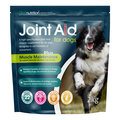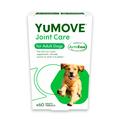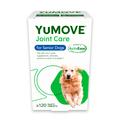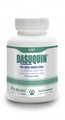
Joint pain in dogs is a common and often overlooked issue that can affect dogs of all ages. While it can’t always be prevented, knowing what to look out for and understanding how to support your dog’s joint health can make a big difference to their comfort and quality of life. (Note: All information in this guide has been reviewed and approved by a licensed veterinarian.)
| Key Takeaways
Check out our joint supplements for dogs to keep your dog comfortable and mobile.
|
Spotting What Might Be Joint Pain
Dogs are experts at hiding pain, so the signs can be easy to miss - especially in the early stages. While only a vet can diagnose the cause, here are some common signs that may indicate your dog is experiencing joint discomfort:
- Slowing down or reluctance to walk
-
Hesitation when jumping or climbing stairs
-
Limping or stiffness, especially after resting
-
Becoming more withdrawn or irritable
-
Difficulty rising from lying down
-
In the later stages, noticeably limping or vocalising pain when moving the affected joint
It’s worth noting that these signs can have a number of causes, and don’t always mean arthritis or joint pain is to blame. If you notice changes in your dog’s movement, behaviour, or activity levels, it's always best to speak to your vet for advice.
Why a Vet Visit Matters
While it’s natural to want answers quickly, it’s important not to jump to conclusions. Dog joint pain can result from a wide range of issues - from age-related wear and tear, to injury, or underlying developmental conditions.
Only a veterinary professional can properly assess your dog’s symptoms, rule out other potential causes, and recommend the most appropriate treatment or support.
If you're concerned, a check-up is the best first step.

Supporting Your Dog’s Joints
While joint pain can’t always be cured, there are many ways to support your dog’s comfort and mobility, especially if they’re diagnosed with arthritis or a similar condition.
1. Joint Supplements
Joint supplements can be a simple and effective way to support dogs showing signs of joint discomfort - even before issues arise.
They’re particularly useful for:
- Senior dogs showing signs of stiffness
-
Dogs recovering from joint injury
-
Preventing joint problems and worth starting from an early age if you want to do all you can
Our Joint Force range is formulated by vets and, depending on the product chosen, contains multiple or all of the following ingredients proven to help joints:
- Glucosamine – Supports cartilage repair
-
Chondroitin & Green Lipped Mussel – Helps resist joint wear and tear
-
MSM – Reduces inflammation
-
Hyaluronic Acid – Helps lubricate joints
-
Manganese, Omega-3s & Antioxidants – Promote overall joint resilience
Available in both tablets and soft chews, we also offer options specially formulated for senior or stiff dogs.
2. Weight Management
Excess weight puts unnecessary pressure on your dog’s joints, which can worsen or even trigger joint discomfort.
Helping your dog maintain a healthy body condition is one of the most impactful ways you can support their joint health.
Tip: If your dog already has arthritis, keeping them slightly under ideal weight may reduce pressure on their joints.
3. Exercise & Mobility Support
Keeping your dog moving is essential - but too much or the wrong kind of activity can cause flare-ups. Aim for gentle, consistent exercise, and speak to your vet if you’re unsure how much is appropriate.
You may also consider:
- Hydrotherapy (swimming is low-impact but great for muscle building)
-
Canine physiotherapy, particularly for dogs with diagnosed joint issues
These therapies should always be guided by a vet or qualified professional.
4. Veterinary Medications
In cases where joint supplements and lifestyle changes aren’t enough, your vet may recommend prescription medications to manage pain and inflammation. These may include NSAIDs (Non-Steroidal Anti-Inflammatory Drugs) or other joint-protective treatments.
All medications should be discussed with your vet, and prescribed based on your dog’s individual health needs.
Prevention: Start Before the Signs Show
Did you know that up to 20% of dogs over the age of 1 year old could be experiencing signs of osteoarthritis? According to a previous North American study1.
While not all joint issues are preventable, you can help reduce the risk with early, proactive care - especially in breeds more prone to joint problems.
Prevention tips:
- Use joint supplements early in life for large or active breeds
-
Avoid over-exercising puppies, especially on hard ground
-
Keep your dog at a healthy weight
-
Monitor for subtle behaviour changes
-
Get regular veterinary check-ups
Keep Your Dog Moving with the Right Joint Support
Joint pain doesn’t have to slow your dog down. With early awareness, guidance from your vet, and the right daily support, you can help your dog stay active and happy.
Explore our vet-formulated Joint Force supplements, designed to support joint health in dogs of all ages.

References:
1) Johnston SA. Osteoarthritis. Joint anatomy, physiology, and pathobiology. Vet Clin North Am Small Anim Pract. (1997) 27:699–723. 10.1016/S0195-5616(97)50076-3
Written by: VioVet