
Sweet itch in horses is a frustrating, recurring skin condition caused by insect bites, most commonly midges. This vet-approved guide explains what sweet itch is, what it looks like, early signs to watch for, and the most effective ways to treat and prevent it.
| Key Takeaways
Explore our full range of fly control products to help keep your horse comfortable during fly season. |
What is Sweet Itch in Horses?
Sweet itch is an allergic skin condition triggered by the saliva of biting midges (Culicoides). When a horse is bitten, the immune system overreacts, releasing histamine and causing intense itching, inflammation, and irritation.
It is often described as similar to hay fever in humans, but instead of affecting the nose or eyes, it affects the skin - especially along the mane, tail, and back.
Several environmental factors can make it worse:
- Warm, humid weather (spring to autumn)
-
Areas near water or woodland where midges thrive
-
Dawn and dusk, when midges are most active
-
Still, windless conditions
Once a horse develops sensitivity, even a single bite can trigger a full flare-up.
Early Signs of Sweet Itch
Recognising early signs of sweet itch is key to preventing long-term skin damage.
These often include:
- Excessive tail rubbing or “rat tail” appearance
-
Mane thinning or broken hairs
-
Constant scratching against fences or posts
-
Restlessness and skin sensitivity
-
Small scabs or sore patches along the topline
Affected horses often rub so intensely that hair is lost and skin becomes raw, thickened, or scabbed. If left untreated, these symptoms can escalate quickly into open wounds and infection.

Sweet Itch Treatment
Sweet itch treatment focuses on breaking the itch–scratch cycle and protecting the skin from further bites.
Common approaches include:
- Topical soothing creams or barrier ointments - such as Dermoline Skin Itch Lotion
-
Insect repellents to deter midges
-
Medicated shampoos for irritated skin - such as Barrier Anti Itch Shampoo or Demoline Insect Shampoo
-
Steroid medication in severe cases (under veterinary guidance)
-
Fly rugs and physical barriers
Once the cycle begins, it can be difficult to fully stop, which is why prevention is so important.
How to Prevent Sweet Itch
"Prevention for Sweet Itch is key. Preventative measures should begin around February before emergence of insects." - VioVet vet, Dr Sophie Meers BVetMed MRCVS, states.
1. Turnout in windy, open areas
Midges are weak fliers and struggle in winds above 4mph, so open, breezy fields are ideal for horses prone to sweet itch.
Best turnout conditions:
- Open fields with good airflow
-
Higher, exposed grazing
-
Dry paddocks
2. Using fly rugs and masks
Fly protection is one of the most important parts of managing sweet itch, as reducing insect bites helps break the itch–scratch cycle before it starts. Physical barriers are a reliable long-term approach, especially during peak midge season.
- Fly Rugs - rugs act as a protective shield over the horse’s body, preventing midges and flies from reaching the skin. Fine-mesh designs are particularly effective for sweet itch management, helping to reduce irritation and minimise rubbing.
-
Fly Masks, Veils & Nets - masks protect the face, which is one of the most sensitive areas for insect irritation. By covering the eyes, ears, and muzzle, they help reduce discomfort, head shaking, and rubbing caused by biting insects.
3. Applying insect repellents regularly
Regular use of insect repellents is an important part of sweet itch management, helping to deter midges before they can bite and trigger irritation. Consistent application during peak season can significantly reduce flare-ups.
- Heavy-duty sprays - Best for high-risk horses or areas with heavy midge activity, these provide stronger, longer-lasting protection.
-
Natural sprays - A gentler option for sensitive horses, these use plant-based ingredients but may need more frequent application.
Product recommendations
- Leovet Power Phaser Fly Protection - A high-performance spray with up to 7 hours of protection, effective even when horses sweat. Ideal for turnout or ridden work in high fly-pressure conditions.
-
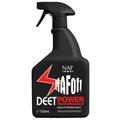
NAF Off DEET Power - A high-strength repellent for strong, year-round protection against a wide range of biting insects.
-
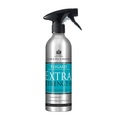
Carr & Day & Martin Flygard Extra Strength - A powerful spray that delivers fast-acting, long-lasting protection against midges and biting insects.
-
Barrier Super Plus Fly Repellent - A popular natural formula that combines avocado oils and eucalyptus while soothing the skin.
-
NAF Off Citronella Spray - A lighter citronella-based repellent suited for horses that prefer gentler formulations.
For more information on using fly sprays, read our guide: The Best Fly Spray for Horses

4. Stabling at dawn and dusk when midges are most active
Midges are most active at sunrise and sunset, so stabling horses during these times can help reduce bites.
A common routine is: Stable from 4pm to 8am during midge season
Extra protection:
- Use midge-proof mesh on windows and doors
-
Install stable fans to improve airflow - creating an air current prevents midges from landing on and biting horses
-
Keep stables clean and dry
Keep Your Horse Protected
Sweet itch is a long-term management condition rather than something with a simple cure. With early recognition, consistent prevention, and the right combination of treatment strategies, most horses can stay comfortable throughout midge season.
Explore our full range of fly control products to help keep your horse comfortable during fly season.

Sweet Itch FAQs
Dr Sophie Meers BVetMed MRCVS answers your common questions about sweet itch.
What causes sweet itch in horses
Sweet itch is a hypersensitivity reaction to the saliva of Culicoides (midges). When bitten affected horses/ponies experience a localised allergic reaction resulting in pruritus (itchiness). This itchiness leads the horse to rub and scratch themselves often causing hair loss and damage to the skin.
Can horses get sweet itch in winter
Sweet itch in winter is less common since midges are inactive below 4 degrees. However, in some very allergic horses symptoms can continue into the winter months, though tend to be much reduced.
Is sweet itch in horses contagious
Sweet itch in horses is an allergic skin disease specific to individual horses rather than a contagious infection that can be spread between horses.
What to feed a horse with sweet itch
A low sugar, low starch diet supplemented with Omega 3’s to reduce inflammation has been shown to be helpful in managing sweet itch. Micronized linseed is a very good source of Omega 3’s, EPA and DHA.
Written by: VioVet