
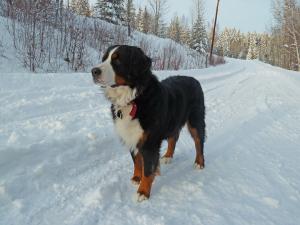
As temperatures drop and frosty mornings arrive, our dogs rely on us to keep them healthy and comfortable. Caring for dogs in winter comes with challenges - from icy paws to dry skin - but with a few simple tweaks, your dog can enjoy the season just as much as you do.
| Key Takeaways:
Explore our latest Dog Special Offers to keep your dog happy and healthy this winter. |
1. Dog Walking Safety in Winter
Cold weather doesn’t have to stop outdoor adventures, but extra care is needed when walking your dog during winter.
Tips for safe winter walks:
- Stick to shorter, more frequent walks rather than one long outing.
-
Avoid icy paths and be cautious near frozen ponds or lakes - dogs can’t tell if the surface is solid.
-
Use reflective collars, leads or coats and light up collars for extra visibility in dark mornings and evenings.
-
Consider investing in glow in the dark toys to help exercise your dog when light levels are low.
-
Watch for signs your dog is too cold: shivering, lifting paws, or refusing to move.
When is it too cold to walk your dog?
That depends on your dog’s size, coat type and age. VioVet vet Dr Nicholas Garside BVetMed MRCVS states:
“It’s best to trust your instincts with what your dog can cope with, looking out for signs of low body temperature (shivering, reluctance to move or head outside).”
Below are some useful guidelines:
- Smaller breeds tend to feel the cold or get cold more easily than larger dogs.
-
Thicker coats help maintain a good body temperature for longer, so long haired breeds can cope better under winter conditions.
-
Very young or elderly pets can have greater difficulty maintaining a stable body temperature compared to adult or middle aged dogs, so may benefit from the extra help a coat provides.
-
Working breeds and those who love to run tend to stay warmer outside due to the excess heat produced when exercising.

Does my dog need a coat?
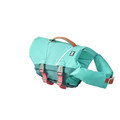
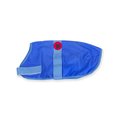
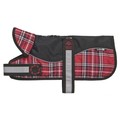
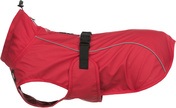
Short-coated, small or senior dogs, and those with health conditions, often benefit from a waterproof coat or jumper. Dogs who dislike rain or wind may also appreciate extra warmth.
For naturally insulated breeds, coats are usually optional - always prioritise comfort and watch your dog’s response.
Dogs that may benefit from a coat:
- Short-haired or small breeds (e.g. whippets, greyhounds, chihuahuas).
-
Senior dogs or those with certain health conditions.
-
Working breeds or those with high exercise needs, who require walking daily in all weather conditions.
-
Dogs sensitive to rain or cold wind.
Protecting paw pads
Winter can be tough on paws - ice, grit, salt, and anti-freeze all pose risks.
What to do:
- Wipe paws clean after every walk.
-
Apply paw balm or butter to soothe dry skin.
-
Consider paw wax or boots for sensitive feet.
-
A quick paw check post-walk helps spot irritation or cuts early.
Extra tip: After walks, wipe your dog’s paws to remove salt, grit and de-icing chemicals, which can irritate the skin and upset their stomach if licked.
2. How to Keep Your Dog Warm at Home in Winter
Once home, make sure your dog has a warm, cosy space to rest.
Simple ways to help:
- Move beds away from cold floors and draughts.
-
Add extra blankets or a heated pad, especially for older dogs.
-
Dry your dog thoroughly after wet walks, paying attention to paws and belly.
-
Keep long fur trimmed to prevent snow or mud matting.
3. Skin & Coat Care
Cold air and indoor heating can dry out your dog’s skin and coat. Gentle grooming and good nutrition go a long way toward keeping their coat in great condition.
Winter coat care essentials:
- Brush regularly to distribute natural oils and remove loose hair.
-
Avoid over-bathing - use a moisturising shampoo only when needed.
-
Keep your dog hydrated and feed an omega-rich diet for healthy skin.
-
Consider supplements for skin and coat support if you notice persistent flakiness or irritation - persistent issues should also be reviewed by your vet.

4. Joint Care & Tips for Older Dogs
Cold weather can worsen stiffness in senior dogs. A few simple steps can help keep them comfortable and active.
Tips for senior dogs in winter:
- Keep walks gentle and calm to avoid overexertion.
-
Provide soft, warm bedding away from draughts.
-
Use non-slip mats on hard floors to prevent slips.
-
Discuss joint supplements or pain relief with your vet
Dr Nick Garside adds: “Advice for joint disease is not necessarily less exercise, it’s the type of exercise. So less vigorous jumping, and more gentle, low impact movement.”
Get Ready for Whatever Winter Brings
A little extra care goes a long way during the colder months. From keeping paws and coats protected to supporting skin, coat, and joint health - these simple steps make winter enjoyable for everyone.
Check out our Dog Special Offers for more essentials your dog will love this winter.

Written by: VioVet