
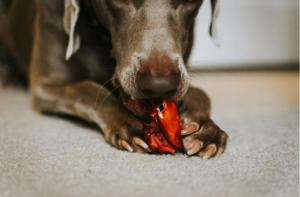
This guide to raw dog food for beginners covers the basics, including what raw dog food is, how to transition your dog, how much to feed and what to look for when choosing a commercial raw food.
| Key Takeaways
|
Raw feeding is a debated topic. While research suggests some potential benefits, there are also nutritional, bacterial and physical risks. There is currently insufficient evidence to show that raw food is better for dogs than a nutritionally complete cooked or dry diet. Speak to your vet before changing your dog's diet, particularly if they are a puppy, senior, pregnant or have specific health needs.
What is Raw Dog Food?
Raw dog food is food that has not undergone cooking or heat treatment. It typically contains raw meat, offal and sometimes bone, alongside ingredients like vegetables, fruit, oils or supplements.
There are two main types:
- Commercially prepared raw food, available frozen or in other formats as complete or complementary food.
-
Homemade raw diets, prepared by owners using their chosen ingredients.
A complete dog food provides all the nutrients a dog needs when fed as directed, while a complementary food must be combined with other foods to meet their nutritional requirements. For beginners, a commercially prepared complete raw food can make providing a balanced diet easier than formulating one from scratch.

Is Raw Food Good for Dogs?
Raw feeding may offer some benefits, but the evidence is still developing. Some studies have identified potential differences in stool quality, body condition and gut microbiome composition. Some owners also anecdotally report improvements in appetite, skin and coat, although individual experiences are not the same as scientific evidence.
But results vary, and there is insufficient evidence to conclude that raw feeding is healthier overall than other complete, balanced diets.
Ultimately, raw food may suit some dogs, but its nutritional suitability and associated risks should be carefully considered.
Benefits of Raw Dog Food
Potential benefits reported in research or anecdotally by owners include:
- Stool quality: Some studies report changes in stool consistency.
-
Body condition: Certain raw diets may support healthy weight management.
-
Digestibility: Some formulations may be highly digestible.
-
Gut health: Raw diets can influence the gut microbiome, although the health implications remain unclear.
-
Palatability: Some dogs may find raw food more appealing.
-
Skin and coat: Some owners report improvements after switching diets.
-
Convenience: Complete commercial raw foods offer a ready-made option.
These benefits are not guaranteed, and more research is needed to establish how raw diets compare with other nutritionally complete foods.
Are There Any Cons to Raw Feeding?
Raw feeding also carries several risks:
- Bacterial contamination: Raw meat can contain Salmonella, Campylobacter and E. coli, potentially affecting dogs and people.
-
Nutritional imbalance: Poorly formulated diets may lack or contain excessive amounts of essential nutrients, posing particular risks to growing puppies.
-
Bone-related injuries: Bones can cause broken teeth, choking, constipation or gastrointestinal obstruction.
-
High fat content: Some raw diets may trigger digestive problems and may not suit every dog.
-
Food hygiene: Careful handling, storage and preparation are essential to reduce the spread of harmful bacteria.
This is why responsible raw feeding involves more than simply adding raw meat to your dog's bowl.

How to Transition a Dog to Raw Food
If you've decided that raw feeding is appropriate for your dog, a gradual transition may help them adjust to the change in diet. The best approach depends on their age, health, current diet and individual tolerance.
When introducing a new food:
-
Follow the manufacturer's transition guidance.
-
Introduce the new food gradually where appropriate.
-
Monitor appetite, stools, weight and general wellbeing.
-
Avoid making several major dietary changes at once.
-
Contact your vet if your dog develops persistent vomiting, diarrhoea or other concerning symptoms.
Dogs with existing health conditions or digestive problems may need an individualised approach. Speak to your vet before changing their diet if you're unsure whether raw feeding is appropriate.
How Much Raw Food to Feed Your Dog
How much raw food your dog needs depends on several factors, including:
- Age, breed and body size
-
Current weight and body condition
-
Activity level and neutering status
-
Health and individual metabolism
-
The food's calorie content
Percentage-based feeding rules can be useful starting points, but they aren't suitable for every dog.
For commercially prepared complete raw food, follow the manufacturer's feeding guidelines and adjust as needed to maintain a healthy body condition. Remember to account for treats and other foods in your dog's daily intake.
If you're unsure how much to feed, your vet can help assess your dog's needs.

The Best Raw Food for Dogs
There isn't one best raw food for every dog. The right choice depends on their life stage, nutritional needs and individual circumstances.
When choosing a commercial raw food, look for one that:
- Is suitable for your dog's life stage.
-
Provides clear nutritional information and feeding instructions.
-
Includes appropriate storage and handling guidance.
-
Comes from a manufacturer with suitable food safety and quality controls.
Homemade raw diets need particular care, as combining meat, organs and bones doesn't automatically provide balanced nutrition. Consider consulting a qualified veterinary nutritionist before preparing a diet yourself.
Some of our most popular raw food diets include:
- Natures Menu Ready to Mix 100% Chicken and Tripe Block Mince - a nutritious blend of quality minced chicken and tripe dog food, minced with raw bone. This is a ‘ready to mix’ product (not a complete meal), suggested to be prepared with fruit, vegetables and healthy carbohydrates (such as brown rice).
-
Nutriment Low Purine & Phosphorus Support Raw Food - specifically designed to maintain overall canine health, paying specific attention to the pancreas, liver and kidneys.
-
Nutriment Venison & Chicken Raw Food - packed with nutrition and flavour, this venison and chicken recipe contains human-grade quality meat, biologically appropriate vegetables and nutritious superfoods.
-
Dibo Freeflow Meat Beef & Offal Adult Raw Dog Food - easy to portion, and simple to serve as a complimentary meal, beef is packed with Vitamin B3 (niacin) which gives your dog the energy they need, and offal is rich in essential vitamin A and vitamin B for a healthy metabolism and energy production.
Raw Feeding and Food Hygiene
Raw meat can carry harmful bacteria, so careful handling is essential.
- Follow the manufacturer's storage and defrosting instructions.
-
Keep raw food separate from human food where possible.
-
Wash your hands, bowls and utensils thoroughly after handling.
-
Clean work surfaces after food preparation.
Extra care is needed in households with young children, older people, pregnant people or anyone who is immunocompromised, as they may be more vulnerable to foodborne infections.
Summary
Raw feeding may suit some dogs, but current evidence doesn't establish that it is healthier than other nutritionally complete diets. If you choose to feed raw, opt for a complete commercial raw food, follow feeding guidance and practise good food hygiene. Always consider your dog's individual needs and consult your vet if you have concerns.
Explore our range of frozen and raw dog food to find options for different dogs and feeding preferences.

FAQs
Can you cook raw dog food?
Cooking can alter the texture and nutrition of raw food so it is advised not to do this. If you are wanting to feed your dog a cooked diet then going with an already cooked complete branded diet is best.
Is raw food better for dogs?
This is a great question of which there is unfortunately no conclusive answer yet. Some owners anecdotally advise that they see benefits but reliable scientific studies are unfortunately too and far between to make any conclusions.
Is raw food safe for puppies?
Puppies are smaller and have reduced immune systems so they are more prone to the risks that raw feed can come with; such as bone related intestinal issues, nutritional deficiencies and infections. Best veterinary advice is to feed a cooked complete puppy diet to your pup. However, there are complete branded raw diets targeted at puppies on the market. If you are wanting to feed your puppy raw then use these according to the packaging instructions.
Can dogs eat raw bones?
General veterinary precautionary advice is no, raw bones can splinter and cause damage to the mouth or when swallowed can damage or block their guts. It’s safest to give dog-friendly chew toys instead.
Written by: VioVet


