
Rabbits make wonderful pets and companions, though it's important for owners to note that they have specific needs that are easily overlooked. This rabbit care guide covers five essential welfare needs every rabbit owner should understand, from diet and housing to companionship, enrichment and healthcare. By meeting these needs, you can help your rabbits stay healthy and happy throughout their lives.
| Key Takeaways
Find everything your rabbits need in our rabbit supplies range, including food, treats, hay, bedding, toys, housing and healthcare essential. |
1. Diet
A healthy diet is the foundation of good rabbit welfare. Rabbits need a constant supply of fibre to keep their digestive system functioning properly and to help wear down their continuously growing teeth.
When feeding your rabbit, aim to:
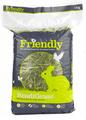
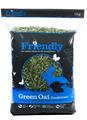
- Make hay the main event: Unlimited good quality hay and/or grass should make up the majority (80-90%) of a rabbit's diet. This is important for normal gut function and also dental health, the grinding action used to break down roughage wears down your rabbit's teeth to prevent overgrowth.
-
Offer daily variety: Provide a selection of safe leafy greens and herbs each day. Refer to a rabbit feeding guide to ensure these are rabbit friendly.
-
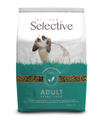
Keep pellets in moderation: Feed only a small measured amount of high-quality rabbit pellets, following the packaging guidelines for your pet's age/weight. Pellets provide important vitamin/mineral supplementation but can easily cause excessive weight gain if not managed well.
-
Provide constant access to water: Fresh, clean water should always be available. Water bottles that attach to the hutch are a great way to keep water fresh and accessible.
-
Limit sugary treats: Fruit, carrots and commercial treats should only be given occasionally. Excessive use of these can cause dental problems and obesity.
Why it matters
Poor diet is one of the leading causes of dental disease, digestive problems and obesity in pet rabbits. VioVet vet, Dr Nicholas Garside, adds: "Rabbit's are lagomorphs, which means their teeth constantly grow and so roughage, like hay, is required to wear them down to the normal lengths that would be seed in wild rabbits.
Overgrown teeth can rub on the tongue and even grow into the gums/chin, leading to painful dental disease and often requires veterinary intervention.
The fibre found in roughage is important for gut health, feeding the natural fermentation process in your bunnies' caecum. High energy sugary diets, which include those with too many pellets, can lead to obesity which comes with multiple of its own health issues (such as the inability to groom, arthritic joints and general poor quality of life)".
Recommended Products
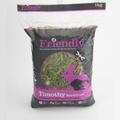
- Oxbow Western Timothy Hay - a high fibre, low protein, low calcium grass hay which helps keep the gastrointestinal tract of rabbits functioning properly.
-
Burgess Excel Adult Rabbit Food - a delicious rabbit food made up of nutritionally balanced nuggets and is ideal for adult rabbits.
-
Crystal Deluxe Bunny Bottle - a crystal clear, durable drinker for fixing to rabbit runs and hutch doors. With easy-clean, weather-proof plastic.

2. Housing
Rabbits need a safe, spacious environment where they can run, jump, stretch, explore and rest comfortably.
Here are some key housing considerations:
- Provide plenty of space: Rabbits should have permanent access to a secure living area with enough room to explore freely. This should be no smaller than 3m x 2m and 1m high to ensure your bunny can fully stand and exercise.
-
Create a safe environment: Their accommodation should be dry, well ventilated, and protected from predators.
-
Include dedicated zones: Provide separate areas for sleeping, eating, hiding and toileting to support natural behaviours.Toilet areas should contain litter, wood shavings being the most appropriate.
-
Protect against the elements: Rabbits need shelter from rain, wind, heat and direct sunlight throughout the year. Include straw as a form of bedding for your bunnies to use if needed.
-
Think beyond the hutch: Traditional hutches alone do not provide enough space to meet a rabbit's physical and behavioural needs. A run attached to a hutch is a great way to provide adequate space for exercise.
Why it matters
Inadequate housing can lead to stress, poor physical health and behavioural problems.
Recommended Products
- Snowflake Meadow Hay - a superb natural bedding/feed for rabbits,guinea pigs and chinchillas.
-
Pillow Was Premier Wood Shavings - woodshavings that have been kiln dried and dust extracted to provide even the smallest of your pets the bedding they deserve.
3. Companionship
Rabbits are naturally social animals that thrive in the company of other rabbits. In most cases, they should not be kept alone, as companionship plays an important role in their overall wellbeing.
To support your rabbit's social needs, keep the following in mind:
- Keep rabbits with rabbit companions: Rabbits should usually be kept with at least one compatible rabbit companion rather than living alone.
-
Choose compatible pairings: Neutered male and female pairs are often the most successful combination. Neutering is important to reduce aggression and prevent medical issues later in life.
-
Avoid mixing species: Rabbits should not be housed with guinea pigs, as they have different social and welfare needs.
-
Introduce rabbits gradually: New companions should be introduced carefully and under supervision. Chat to your vet or local rabbit expert to ensure this is done safely.
-
Provide enough resources: Ensure there is sufficient space, food, water and hiding places so rabbits can spend time together or apart as they choose.
Why it matters
Companionship helps rabbits feel secure, and maintain good emotional wellbeing. "Solitary rabbits are more likely to experience behavioural issues"Â Dr Nicholas Garside states.
"This includes chewing bars or overgrooming. They are more easily stressed and take longer to de-stress, which can lead to chronic health problems".

4. Behaviour & Enrichment
Rabbits are intelligent, active animals that need opportunities to express their natural behaviours every day. Enrichment helps keep them mentally stimulated and emotionally healthy.
To support your rabbit's behavioural needs, consider the following:
- Encourage natural movement: Provide daily opportunities for rabbits to run, jump, stretch, dig, forage and explore.
-
Create an interesting environment: Include tunnels, hiding places, platforms and rabbit-safe toys to encourage activity and exploration.
-
Make feeding time engaging: Hide food in hay, cardboard tubes or puzzle feeders to encourage natural foraging behaviours.
-
Keep enrichment fresh: Rotate toys and enrichment items regularly to maintain interest and prevent boredom.
-
Provide safe retreat spaces: Ensure rabbits always have access to hiding places where they can rest and feel secure when needed.
Why it matters
Without sufficient enrichment, rabbits can become bored, frustrated and stressed, which may lead to poor welfare, destructive behaviours and reduced quality of life.
Recommended Products
- We stock a wide range of Rabbit Toys - including chews, tunnels, boredom breakers, and more.
5. Health
Rabbits are experts at hiding signs of illness, so regular health checks and preventative care play an important role in keeping them healthy throughout their lives.
To support your rabbit's health, consider the following:
- Book routine veterinary check-ups: Regular health examinations can help identify problems before they become serious.
-
Stay up to date with vaccinations: Vaccination helps protect rabbits against potentially fatal diseases such as myxomatosis and rabbit viral haemorrhagic disease (RVHD/VHD).
-
Consider neutering: Neutering is recommended for both male and female rabbits and can help prevent unwanted litters and certain health conditions.
-
Perform daily health checks: Monitor your rabbit's appetite, behaviour, droppings and mobility for any changes. In particular check their rear and underside every day or two, removing any matts or stuck faecal pellets. This is especially important in the summer when fly strike is a significant risk, consider using a fly strike preventative medication during this time.
-
Keep an eye on overall condition: Regularly check teeth, nails, coat condition and body weight to help spot potential issues early.
Warning Signs
Seek veterinary advice immediately if your rabbit:
- Stops eating or drinking
-
Produces fewer droppings or stops passing droppings
-
Appears lethargic, quiet or withdrawn
-
Shows signs of pain or difficulty moving
Why it matters
Rabbits are prey animals and so they are excellent at hiding pain or illness. By the time an issue is noticed it may already be quite far along its course. Bunnies can become seriously ill very quickly, and early veterinary treatment can significantly improve the chances of a successful recovery.
Recommended Products
- ReguTum Probiotic Fibre Care for Rabbits - provides rabbits with digestive support in a range of situations, such as after digestive upset or antibiotic treatment, and to support a stable gut.
-
Novartis Rearguard - will prevent fly strike for 10 weeks after application, it is still worth trying to deal with any underlying problem too.
-
Options Mini Grooming Set - a mini bristle brush, slicker brush and a double-sided comb for caring for your rabbit's coat.
Keeping Your Rabbits Happy and Healthy
Understanding your rabbit's welfare needs is the key to providing a happy, healthy life. From the right diet and housing to companionship, enrichment and healthcare, every aspect of their care contributes to their wellbeing.
Shop everything your rabbits need, including nutritious food, bedding, housing, enrichment toys and health essentials.

Written by: VioVet