
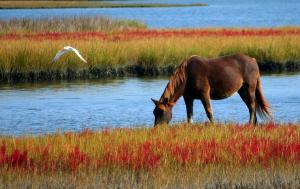
As we look forward to spring and the fresh grass that comes with it, it is really important to take into consideration your horse or pony’s individual nutritional requirements. Nutrition plays a vital part in maintaining a healthy body condition alongside a suitable exercise regime. Research shows that over 50% of leisure horses in the UK are overweight or clinically described as obese, which, paired with the lush spring grass; increases the risk of nutrition-related disorders such as Laminitis. However, prevention is always better than cure and there are steps that we can take nutritionally to help manage and successfully navigate this tricky period.
The majority of laminitis cases are associated with an underlying endocrine disease like Equine Metabolic Syndrome (EMS) or Pituitary Pars Intermedia Dysfunction (PPID), the latter commonly known as Cushings. Both are associated with insulin dysregulation and high blood glucose levels that are thought to negatively impact the blood flow to the laminae in the hooves, possibly through insulin receptors which reside there. Because both glucose and insulin are connected to nutrition, horses with laminitis require both a special diet and careful management, as the sugar content in grazing can trigger episodes of pasture associated laminitis. This is most common during times of fertile grass growth in the spring, when grazing is naturally higher in sugar. Limiting grass intake by strip grazing, using a grazing muzzle, or safely increasing the number of horses per field, can help decrease the risk of laminitis developing in insulin dysfunctional horses and ponies.
Horses and ponies prone to laminitis still require plenty of forage in their diets, that is low in calories and sugar. Soaking hay can reduce the sugar, starch and calorie content. Alternatively, mixing hay with a lower calorie and sugar oat or barley straw (up to 50:50) can help maintain intake levels whilst controlling one of the risk factors associated with laminitis. For laminitis prone horses and ponies that naturally hold their weight well on forage and grazing alone, it is important to fat score and weigh them every 2 weeks, to ensure a healthy body condition all year round but especially during spring. Fat scoring using visual and physical measurements, should accompany the use of a weigh bridge or weigh tape. An overall score of 2.5-3 on a scale of 0 to 5 is considered ideal, depending on the breed of the horse or pony.
Forage alone will not provide all the vitamins and minerals needed in the equine diet each day, and therefore using a fully balanced, low calorie feed that is suitable for those prone to laminitis should be incorporated into the daily diet. One way to ensure a healthy balance is though Dodson & Horrell’s Daily Vitamins and Minerals, providing a balanced ration each day, as well as added immune support (QLC antioxidants). Another suitable product is the Dodson & Horrell Equi-Bites, that are an easy to use balanced treat. They are ideal for laminitis prone horses and ponies as they are low in starch, sugar and calories. It is also important to remember if your horse or pony is experiencing a laminitic episode, veterinary advice will need to be sought both on treatment, management, and feeding until clinical signs resolve.
At Dodson & Horrell we believe it is incredibly important to ensure every horse and pony is being fed a diet that is balanced, healthy, and well suited to their individual needs. We therefore welcome any questions about specific horses or ponies through our Nutritional Helpline, available via our website LiveChat system on www.dodsonandhorrell.com, by phone on 01270 782223 or by email on [email protected].
Written by: Emma Nissler BSc (Hons) ANutr, Nutritional Manager (Guest Author)


