
Bringing home a new pup? This ultimate puppy checklist covers everything you need to prepare for your dog's first weeks at home - from food and vaccinations, to training, insurance, and daily care.
| Key Takeaways
Explore our full range of puppy essentials to make sure you've got everything covered before your new arrival. |
Welcoming a puppy into your family is exciting, but it also comes with responsibility. Getting the essentials right from day one will help your puppy settle in quickly and grow into a happy, healthy adult dog.
1. Diet
Puppies grow incredibly quickly in their first year of life, and their nutritional needs are higher than adult dogs due to the excess strain on the body for growth.
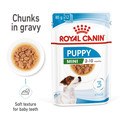
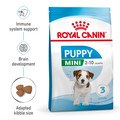
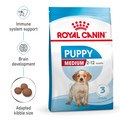
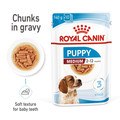
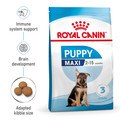
Make sure you have a complete puppy food to meet these needs - specially formulated to provide the higher levels of protein, energy and calcium required for healthy growth.
Certain brands divide their puppy diets into breed or size, if going with one of these brands then make sure you choose the appropriate option.
How often should you feed a puppy?
As a general guide:
- Feed 4 meals a day up to 3 months old
-
Reduce to 3 meals a day until around 6 months
-
Move to 2 meals daily thereafter
Additional tips: Avoid leaving food down all day. Offer meals at set times and remove uneaten food after around 20 minutes. Always provide fresh water.
When to change from puppy food to dog food
You can transition your puppy to adult food when they are fully grown. The timing of this phase varies depending on the brand and breed, so we advise reading the packaging of your food to work this out. This is typically around 12 months (later for large breeds).
Recommended puppy foods:
- Royal Canin
-
Any diet described as complete on the packaging

2. Vaccinations, Microchips & Registering with a Vet
Vaccinations are one of the most important items on any new puppy checklist. These protect against a few of the most common and deadly diseases that can affect our pets.
You should discuss with your local vet and follow their recommended vaccination protocols, but most puppies receive:
- A first vaccination at 6-9 weeks old
-
A second vaccination 3-4 weeks later
VioVet vet, Dr Nicholas Garside BVetMed MRCVS, adds:
"Your vet will then advise you on whether your pet can interact with other animals or go on walks and other activities depending on the vaccination protocol they administer.
In most cases your puppy should avoid contact with any other dogs who are not up to date with their vaccinations, and water sources (e.g swimming), until 3 weeks after the second vaccination. They can go outside but should avoid areas other dogs have been, just to be safe."
Microchipping is also one of the most important things you can do to help protect your puppy. Under UK law, all dogs must be microchipped by the time they're 8 weeks old, but it's just as important to keep your contact details up to date throughout their life. If your puppy ever goes missing, an up-to-date microchip gives them the best chance of being reunited with you.
You can easily check and update your pet's details online at Pet Database, helping to make sure they can always be linked back to you.
Register with a local vet as soon as possible and discuss:
- Vaccination schedule
-
Microchipping (a legal requirement in the UK)
-
Preventative healthcare plans
3. Worming & Flea Prevention
Without regular flea and worming treatment, these parasites can quickly build up. Routine prevention and treatment is far easier (and cheaper) than treating a full infestation.
Worming
Puppies often carry worms from birth, passed on from their mother.
A typical puppy worming schedule is:
- 0 - 12 weeks: Every 2 weeks
-
3 - 6 months: Monthly
-
6 months onwards: Tailored to your dog's specific needs, usually as advised by your vet.
Please also see our worming guide: How to Get Rid of Worms in Dogs - Treatment Options and Prevention
Recommended worming products:
- Panacur Liquid or Paste Wormers - safe for use at any age. Covers roundworms but does not cover tapeworms so it's advised to move onto a wormer that covers this when your pup starts going outside.
-
TermaWorm Wormer - suitable when over 6 weeks of age, covers roundworms and tapeworms.

Please note: Over the counter wormers like the ones linked above don't cover the most common cause of canine lungworm in the UK. Only prescription products containing milbemycin or moxidectin will do this. These can be purchased through our website alongside a written prescription from your vet.
Flea prevention
Flea prevention is equally important as worming. Even young puppies can pick up fleas from their environment.
Typical de-flea schedule:
Apply your chosen flea treatment as often as the dosing instructions advise, without gaps. Fleas can also transmit tapeworms, so flea control plays a crucial role in your dog's worming routine too.
Recommended de-flea products:
- Frontline Spray or FIPROtec Flea Spray - up to 8 weeks old, only fipronil sprays are safe and licensed for use.
-
Advantage Spot On Flea Control - once 8 weeks or older.
-
TermaFlea Combo Spot On - suitable over 8 weeks and 2kg in weight.
Make sure any product you use is licensed for your puppy's age and weight.
4. Preparing Your Home
Getting everything ready before your puppy arrives will help them settle in quickly and feel safe from day one. Here are some essentials to have in place:
- A comfortable bed: That suits your puppy's size and sleeping style e.g. large breeds often prefer a mattress-style bed so they can stretch out, and smaller or more timid puppies may feel more secure in a snug, high-sided bed where they can curl up. It's also a good idea to buy a second set of bedding for when the other is being washed.
-
Age-appropriate toys: To help your puppy settle in and prevent boredom.
-
A crate: A valuable investment that gives your puppy a safe space to sleep and relax. Crate training (when introduced properly) is an effective tool for house training, routine building, and a place to retreat to when they feel overwhelmed.
-
Separate bowls for food & water: Your puppy will need constant access to fresh water, which means you'll need separate water and food bowls. Investing in non-slip bowls is well worth it.
-
Collar & lead: Your puppy should have a properly fitted collar and lead ready for when they begin going outside. An ID tag with your contact details is a legal requirement and essential for safety.
How to puppy-proof your home
It's also a good idea to check for any hazards around the home. Think of puppy-proofing like baby-proofing, and get down on your hands and knees and crawl around to see the world from their level:
- Electrical cables - hide these behind furniture and out of reach, or cover with a thick chew-proof cable protector.
-
Toxic materials e.g. cleaning products, medications, toxic houseplants - keep out of reach or stored away in locked cupboards.
-
Keep windows and doors closed.
-
Secure doors to the oven, fridge, dishwasher & any other places a curious puppy may want to investigate.

5. Toilet Training
Puppies cannot physically hold their bladder for long periods, so frequent toilet breaks are essential.
Take your puppy outside:
- First thing in the morning
-
After meals
-
After naps
-
After play sessions
-
Before bedtime
Reward outdoor toileting immediately with praise or a small treat. Avoid punishment for accidents indoors - instead, ignore unwanted behaviour and consistently reward what you want to see.
If taking your dog outside every time they show signs of needing to toilet is difficult then puppy training pads are a great intermediate step. Place them on the pad indoors instead of going outside using the same method as instructed above, and eventually move to outdoor toileting when your pup is ready.
6. Early Training & Socialisation
Training should start as soon as your puppy settles in.
Focus first on:
- Sit
-
Stay
-
Come
-
Heel
-
Lie down
Keep sessions short, positive and reward-based. Puppies respond far better to encouragement than punishment.
Socialisation is just as important. Gradually introduce your puppy to:
- New people
-
Vaccinated dogs
-
Different environments
-
Household noises
-
Anything that you want your pup to be comfortable with (e.g. car journeys, vet visits, supervised interactions with children)
These early experiences shape confidence and behaviour in adulthood.

7. Neutering Considerations
Though optional, neutering is commonly recommended, as the health and behavioural benefits often outweigh the risks in healthy pets.
Your local vet will be in the best position to give recommendations specific to your pet, but below are a few benefits and considerations:
Male puppies:
- Pros: Calmer, reduced risk o f marking/dominance behaviour and overall risk for prostate issues, prevention of testicular diseases.
-
Cons: Anaesthetic risk, can worsen anxiety related behaviour if present.
Female puppies:
- Pros: Prevent many lif e threatening conditions e.g. uterine/ovarian cancer, infected uterus (pyometra), reduced risk of mammary cancer, avoid accidental pregnancy, prevent seasons.
-
Cons: Anaesthetic risk, low risk of incontinence in later life.
Note: For a healthy pet, the anaesthetic risk is very low.
8. Insurance
Unexpected veterinary costs can quickly run into hundreds or even thousands of pounds. You never want to be in a situation where you have to decide between money and your pet!
A lifetime insurance policy is generally recommended, as these cover long term conditions (such as arthritis or diabetes) year after year. Always check:
- Annual limits
-
Per-condition caps
-
Exclusions, such as that of pre-existing conditions
Insuring your puppy whilst they're young and healthy is typically more affordable and ensures the widest level of cover.
Get Ready for Your New Puppy
Preparing properly before your puppy arrives makes all the difference. With the right nutrition, preventive healthcare, training, and home setup in place, you'll give your new companion the very best start in life.
Browse our full Puppy Essentials Range to make sure you've got everything covered.

Written by: Dr. Nick Garside BVetMed MRCVS