
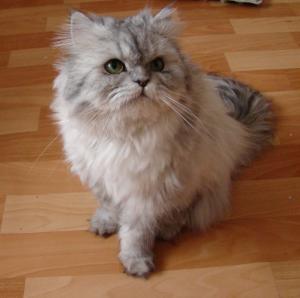
This vet-reviewed guide explains what you need to know about hyperthyroidism in cats, the signs to look out for, and why early veterinary diagnosis is essential.
| Key Takeaways
|
What is Hyperthyroidism in Cats
Hyperthyroidism is a common condition affecting cats. The condition involves the over-production of hormones from the thyroid, which increase the body’s metabolic rate. This has implications for the entire body and prompts a number of changes.
While cats of all ages can develop hyperthyroidism, it is most prevalent (almost exclusively so), in older animals of 10 years+. The condition increases a cat’s circulating levels of thyroid hormone and thus heightens the metabolic rate which, left untreated, can make a cat seriously ill and may even lead to heart and kidney failure in some extreme cases.
High concentrations of thyroid hormone interact with a number of bodily functions, as well as stimulating the central nervous system (CNS), which may lead to behavioural problems as well as hyperactivity and restlessness.
Why a Vet Visit is Essential
While it’s helpful to recognise the signs of hyperthyroidism, it’s crucial not to rely on self-diagnosis. Many of the symptoms can also indicate other serious conditions, including diabetes, kidney disease, or gastrointestinal disorders.
Only a veterinarian can perform the necessary examinations and blood tests to accurately determine what’s affecting your cat. Early professional diagnosis not only ensures the right treatment is started promptly, but it also gives your cat the best chance of recovering and maintaining a good quality of life.

What are the Signs my Cat has Hyperthyroidism?
If you suspect hyperthyroidism, it is probably because you have observed one or more changes in your cat. Clinical signs can be quite dramatic and you may wonder what on earth has happened to your pet in such a short space of time.
VioVet vet Dr Nicholas Garside adds: "The signs of hyperthyroidism in cats can be easily mistaken for changes related to natural aging. Being aware of the symptoms is really helpful for knowing when a vet visit is required".
1. Weight loss
One of the most common symptoms of hyperthyroidism is weight loss. This often strikes cat owners as strange, as most cats will have an increased appetite that is at odds with their continual weight loss.
If your cat does lose weight through hyperthyroidism, you will probably first notice muscle wastage along the spine. A loss of muscle mass may also be evident on the legs and underside. If the condition is left untreated, your cat may experience severe muscle wasting and emaciation, and this can be fatal.
Even if your cat displays no other symptoms, it is very important to explain any weight changes to your vet, especially if your cat appears to be eating more than usual and is still losing weight.
Note: Any weight loss in older cats should be evaluated by a veterinarian as this could be a sign of many serious conditions.
2. Increased or reduced appetite
Increased appetite can occur due to the condition increasing the body’s metabolic rate. Affected cats tend to eat more to compensate for this.
However, no amount of over-eating can match the body’s weight loss and cats with hyperthyroidism will continue to lose muscle mass despite their hearty appetites!
In rarer cases, some cats will even display reduced appetite, without any of the usual signs of increased activity and restlessness. Instead they may be lethargic and weak, and will consume very little. Cats with these symptoms have an uncommon type of Hyperthyroidism called ‘apathetic hyperthyroidism.’
3. Increased thirst and urination
Along with increased appetite, most cats with hyperthyroidism will display increased thirst (polydispsia) and urinate more frequently (polyuria).
Cats can be fussy when it comes to drinking water, which is why they need to get most of their hydration from their food. If you notice your cat is drinking more than usual, don't overlook this important change.

4. Agitated behaviour
As mentioned already, high concentrations of circulating hormones can interact with and stimulate the CNS, which commonly causes cats to become hyperactive or agitated.
Cats with severe hyperthyroidism are likely to:
- Twitch or remble
-
Seem agitated or irritated
-
Act ‘frantically’ with episodes of pacing or high activity
This behaviour can intensify at night when affected cats may yowl and pace. Cats with disturbed sleep patterns will sleep more during the day and will be strangely lethargic and drowsy.
5. Heart and breathing problems
Extreme cases of hyperthyroidism may prompt heart problems which can result in difficulty breathing.
If the condition is advanced, respiratory problems are much more likely, and cats will exhibit difficulty and discomfort in breathing even in cool climates.
6. Coat changes
Some cats with hyperthyroidism can appear ‘disshevelled’ or ‘unkempt’. This occurs as a combination of abnormal hair growth and a change in grooming behaviour.
In older cats, it’s easy to assume this is just related to old age, but it’s important to note that this is possibly a sign of an underlying condition.
7. Digestive issues
Lastly, cats with hyperthyroidism can have diarrhoea, loose, or excessive amounts of stools.
Some cats may even vomit after eating (particularly common in cats in multi-cat households) as they rapidly eat to compensate for their heightened metabolism.
To help avoid this complication: Try to feed your cat smaller amounts more frequently (every 3-4 hours) to prevent your cat from gorging on food until the stomach is uncomfortably full.
Summary
If you suspect your cat has Hyperthyroidism, take it along to the vet for a professional evaluation and tests. Your vet will be able to diagnose your cat's condition and advise on the best course of treatment for your specific pet.

Cat Hyperthyroidism FAQs
What causes hyperthyroidism in cats?
Cats with hyperthyroidism have an overactive Thyroid gland. This organ produces hormones which control the body’s metabolism, and so symptoms of the condition are related to an abnormally high metabolic rate.
Is hyperthyroidism in cats painful?
Most of the symptoms are not painful, no. If left untreated though then certain parts of the condition can become painful, such as late stage kidney disease or limb weakness due to muscle wastage.
How to prevent hyperthyroidism in cats
There is unfortunately no definitive way to prevent hyperthyroidism in cats. Spotting the early signs, however, can be really helpful to prevent progression of the disease by starting treatment early.
Can hyperthyroidism cause seizures in cats?
Yes hyperthyroidism can cause seizures. It more commonly causes other neurological signs though, such as tremors, twitching and agitation.
Can stress cause hyperthyroidism in cats?
No, stress is not a cause of hyperthyroidism in cats. Affected cats can appear ‘stressed’ though, being ‘agitated’ or ‘restless’.
References
Written by: VioVet