Hairballs are a common but unpleasant reality of cat ownership, caused by normal grooming behaviours and seasonal shedding. This vet-reviewed guide covers how to prevent hairballs in cats, and help reduce their discomfort.
| Key Takeaways
Explore our range of cat grooming tools to help reduce loose hair and support coat health. |
Why Do Cats Get Hairballs?
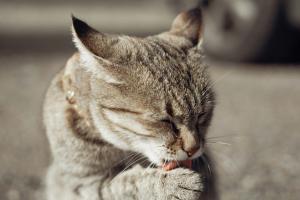
Cats are naturally fastidious animals and can spend up to 50% of their day grooming. There are many reasons why they do this: to maintain their coat, relax, cool down, protect against predators, and bond with other cats, and they have evolved to perform this natural behaviour regularly.
But for all the good it does, continual licking of the coat can cause problems. Every time a cat grooms itself, loose hairs inadvertently get ingested. Most hairs pass through the stomach and intestines with ease, but sometimes they accumulate in the system and form an obstructing mass - known as a hairball.
Hairballs are particularly common during spring and autumn, when cats shed their winter and summer coats, grooming more frequently to loosen excess hair. Longhaired cats and cats that groom excessively are especially prone.
How to Help a Cat with a Hairball
VioVet vet Dr Nicholas Garside BVetMed MRCVS states: “The passing of hairballs in cats can be a common issue for certain breeds. It's an uncomfortable process for our feline friends and can rarely lead to more serious problems, so it's important to help our cats expel them where we can”.
Common hairball symptoms (may be able to manage at home)
- Coughing, Hacking, Gagging, Retching: Often sounds like a dry cough or hacking, sometimes followed by bringing up the hairball.
-
Vomiting: May bring up just a hairball, or hairball mixed with bile or undigested food.
-
Excessive Grooming: Licking more than usual, potentially leading to bald spots.
-
Eating Grass: May eat grass to induce vomiting.
If any of the above signs happen and you have not seen hairballs then it’s important to see your vet as the cause could be related to an underlying medical condition.
Red flag symptoms (see a vet)
- Unproductive Retching/Gagging: Repeatedly trying to vomit but nothing comes up.
-
Lethargy & Weakness: Becoming unusually tired or inactive.
-
Loss of Appetite: Refusing to eat or drink.
-
Constipation or Diarrhoea: Changes in bowel habits.
-
Abdominal Pain: Tender or swollen stomach.
-
Persistent Coughing: An ongoing cough.
Managing hairballs at home
If your cat is showing signs of passing hairballs, but none of the above red flags, then you may be able to help them pass the hair more easily at home. This can reduce or prevent some of the uncomfortable signs your cat experiences during the process. The rest of this blog runs through some tips on how to do this.

Managing and Preventing Hairballs in Cats
Although hairballs cannot always be avoided entirely, there are several effective ways to help manage and somewhat prevent hairballs in cats, so your cat can pass the hair more easily and reduce the frequency of them.
1. Regular grooming
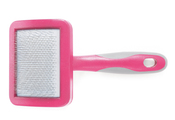
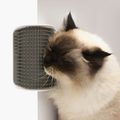
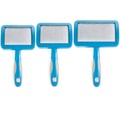
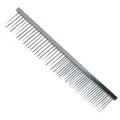
Regular grooming with a selection of grooming tools removes loose hair before it can be swallowed and supports overall coat health. A 5 to 10 minute grooming session is usually plenty, but if your cat becomes agitated, pause and try again later.
- Short-haired cats: groom once or twice a week
-
Long-haired cats: daily grooming is ideal
Seasonal shedding, particularly in spring or autumn, increases the need for regular grooming.
For more information on How to Groom Your Cat - Read our Guide on this topic.
Recommended grooming products
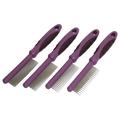
- Bristle brush – ideal for most coat types
-
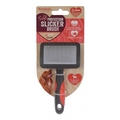
Wire-pin brush or slicker – For thick, long, or matted fur
-
De-shedding tool – Removes excess hair and reduces hairballs
-
Rubber curry comb – Great for short-haired breeds and gentle massaging
2. Lubricants
Lubricants and digestive supplements can help hair move through the digestive system more easily. These can be added to food and are often flavoured to improve palatability.
While surgery for hairball removal is rare, lubricants can help prevent hair from accumulating and causing discomfort or constipation.
Recommended products:
- Easypill Hairball Cat - specially formulated to stimulate hairball elimination by softening stools and lubricating the intestinal tract.
-
Katalax Hairballs/Furballs for Cats - easy to administer blend used to promote the elimination of hairballs or to relieve mild constipation.
-
Fureze Oral Paste - envelopes existing hairballs in a highly lubricated mucus sheath. This facilitates the elimination of the hairball either through the lower intestines or via regurgitation.
-
Laxapet Dog & Cat - easy to administer gel suitable for use on hairballs and constipation.
3. Diet
Diet is also worth considering when it comes to preventing hairballs. There are a number of tailored foods on the market these days which can help reduce the accumulation of hairballs. Some also contain natural oil lubricants to support the health of the coat, as a healthy coat is known to shed less.
View our complete range of hairball prevention diets.
4. Environmental and behavioural considerations
Boredom and stress can lead to excessive grooming, which increases the amount of hair a cat ingests and raises the risk of hairball formation. Indoor cats are particularly susceptible if their environment lacks stimulation. To help reduce over-grooming:
- Provide toys and rotate them regularly - simple items like balls, ribbons, bells, or homemade toys can keep cats engaged.
-
Offer climbing and scratching opportunities - climbers, scratching posts, and comfortable beds allow natural behaviours to be expressed safely.
-
Give visual stimulation - access to windows and a view of outdoor activity can help prevent boredom. Positioning a bird feeder outside a window is a great way to entertain indoor cats safely.
-
Encourage safe exercise - ensure your cat has space to move, explore, and play to reduce stress and over-grooming.
Keep Hairballs Under Control
Hairballs are a common part of cat care, but with regular grooming, the right diet, and digestive support, their frequency can be reduced.
Explore our range of cat grooming tools to help reduce hairballs and support your cat’s comfort and health.

FAQs About Cat Hairballs
Are hairballs dangerous for cats?
Hairballs are not dangerous if your cat manages to pass them, although the expulsion process can be uncomfortable. Rarely, however, they can become too large and cause blockages in the gut, in these cases they are dangerous and can require surgical intervention to resolve. It’s best to try to prevent the signs of hairballs occurring if your cat is known to experience the problem.
Can hairballs cause diarrhoea in cats?
Yes, the movement of excess amounts of hair or a hairball in the guts can irritate the intestinal linings. This can increase the speed of material through the guts and so cause diarrhoea.
Are cat hairballs normal?
In cats who are prone to accumulation of hair, such as long haired cats, they can be normal.
Cat is coughing but no hairball
Cats trying to pass a hairball can appear to cough. If there is no resulting hairball after multiple coughs, or the cough is prolonged over multiple days, then it’s important to see a vet. The hairball may need veterinary assistance to clear or the cough may be unrelated to hairballs and a sign of an underlying medical condition.
Can hairballs cause breathing problems in cats?
Temporary signs of breathing problems such as wheezing or heavy breathing can be a sign your cat is trying to expel a hairball. If these signs are prolonged or you do not see a hairball come up then it’s important to see a vet. These signs are also symptoms of other underlying medical conditions.
What do cat hairballs look like?
Hairballs are actually often not in a ball shape, although they can be. They most commonly appear as cigar shaped bundles of matted hair, sometimes with mucous or stomach contents on them.
Written by: VioVet