
Wondering how to groom a cat properly? This vet-approved guide covers everything you need to know - from brushing techniques and recommended tools, to managing shedding and checking for fleas. Featuring expert advice, this guide will help you groom your cat safely, comfortably, and effectively.
| Key Takeaways
Browse our range of Cat Grooming Tools. |
Anyone who’s lived with a cat knows that no two are alike. Some love cuddles, others prefer tree climbing and neighbourhood patrols. But one thing all cats have in common? They all need a little grooming help from time to time.
Knowing how to groom a cat the right way helps ensure your pet is comfortable, healthy, and looking their best.
Why Grooming Matters
Even if your cat seems well-kept, grooming them provides more than just a shiny coat. It:
- Helps reduce shedding, which smooths the coat and helps with body insulation
-
Stimulates the glands in the skin at the base of the hair follicles to produce oils and sebum - important for waterproofing the coat and providing it with a healthy shine
-
Helps prevent hairballs
-
Promotes healthy skin and blood circulation
-
Allows you to check for parasites, irritation, or injuries, as well as any lumps and bumps
-
Strengthens your bond with your cat

How Often Should You Groom Your Cat?
- Short-haired cats: Once or twice a week
-
Long-haired cats: Daily grooming is ideal to prevent matting
Keep sessions brief — 5 to 10 minutes is usually plenty. If your cat becomes agitated, pause and try again later.
Some indicators that your cat has had enough and is feeling a little agitated include: skin rippling or twitching, swallowing or licking lips, ears flicking or rotating backwards, tail swishing, sharply turning their head to face the brush, growling or hissing.
Tools of the Trade
Your cat grooming toolkit should include:
- Bristle brush – Ideal for most coat types
-
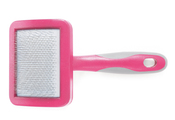
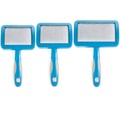
Wire-pin brush or slicker – For thick, long, or matted fur
-
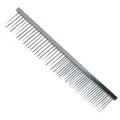
Fine-toothed and flea combs – For knot detection and flea control
-
De-shedding tool – Removes excess hair and reduces hairballs
-
Nail clippers – Regular trimming prevents overgrowth and snagging
-
Rubber curry comb – Great for short-haired breeds and gentle massaging

Grooming Tips for Short- and Long-Haired Cats: Expert Advice
Here, Dr. Sarah Dantas-Goddard shares her essential guide to grooming both short- and long-haired cats:
Grooming Short-Haired Cats
Even though short-haired cats groom themselves, a little help from us can go a long way. “Start with a flea comb to check for fleas or flea dirt. If you find any seek advice from your vet”.
Once the coat is clear, a soft bristle brush can help loosen and lift dead hairs. “If they are used to being groomed and tolerate this well, you can sweep the bristle brush up the coat in the direction of their head and then smooth it down again."
"If they don't tolerate this, you can use your hands to loosen the dead hairs in the coat by massaging against the growth, and then smooth the coat down with the bristle brush.”
To finish the session, Dr. Sarah recommends using a rubber curry comb or rubber grooming pad/mitten from head to tail. “This will remove all the dead hair and stimulate the blood supply to the skin".
Finally, any remaining loose hairs lying on the surface of the coat can then be removed with a damp glove.
Grooming Long-Haired Cats
Long-haired breeds often require more regular grooming to avoid matting. “Start by massaging the skin with your fingers against the growth to loosen the dead hairs in the coat" Dr. Sarah advises. “In doing this, you can lift and part the fur to check for any fleas or flea dirt ”
Next, use a slicker, rake, or wide-toothed comb to work through the fur from head to tail removing the dead hair. “Be careful around sensitive areas such as the armpits and in between the hindlimbs - these are areas of frequent matting but the skin is very thin and sensitive.”
If you encounter matts, Dr. Sarah stresses the importance of avoiding cutting them out. “Any matts should be teased apart gently with your fingers, starting near the root and working towards the ends. If this is not possible, do not cut or shave them but please seek professional help - their skin is very thin and easy to cut”.
A rubber curry comb or rubber grooming pad/mitten can then be used from head to tail to remove more dead hairs, as well as stimulating the blood supply to the skin.
Finish the session with a damp glove to remove any remaining loose hairs lying on the surface of the coat. "If your cat is enjoying the grooming session and attention from you, go through the coat with the slicker, rake or wide-toothed comb once more."
Brushing Tips
- Always brush in the direction the fur grows
-
Be gentle around sensitive areas like the belly, chest, and tail
-
Use your fingers to tease out small knots
-
Reward with treats and praise to make the process positive
-
Always choose a time when your cat is relaxed and happy
Managing Shedding
Cats shed based on daylight hours — more sun, more fur. Indoor cats may shed less dramatically, but no cat is truly exempt.
To manage shedding:
- Groom regularly to remove dead hair and stimulate growth
-
Use a de-shedding tool to tackle the undercoat
-
Improve diet with vet-recommended supplements rich in omega oils
What About Matted Fur?
If your cat’s fur gets matted, it can affect their ability to regulate body temperature. Gently brush out matts or seek professional grooming help as this can be very uncomfortable for your cat — never shave your cat, as it increases the risk of sunburn and heatstroke.
In severe cases, difficult matts may need to be shaved off under sedation or a general anaesthetic by your vet.
Make Grooming Easy with VioVet
Ready to upgrade your grooming game? Explore our cat grooming essentials at VioVet - whether you're tackling tangles or cutting down on shedding, we have everything you need to keep your feline looking and feeling their best.

Cat Grooming FAQs
Do Cats Need to Be Bathed?
In general, no - cats don't need to be bathed unless they’re extremely dirty. Over-bathing strips their coat of natural oils. If necessary, use a gentle cat shampoo and rinse thoroughly.
Nail Trimming
Keep your cat’s nails in check with a quality pair of clippers. If they resist, try trimming when they’re sleepy — or get your vet’s help if needed.
Written by: VioVet