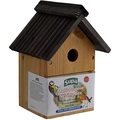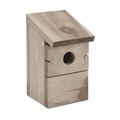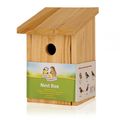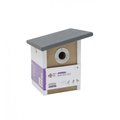
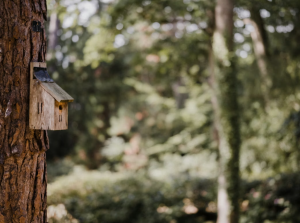
While Nest Box Week is a great reminder, birds need safe, cosy homes all year round. Whether you’re a seasoned wildlife enthusiast or just starting out, providing the right nest box can make a huge difference for local birds. This vet-reviewed nest box guide shows you how to choose the right box, position it perfectly, and attract more birds to your garden.
| Key Takeaways
Check out our Bird Nest Box range to find the ideal home for your garden visitors. |
Why Do Birds Need Nest Boxes?
A simple nesting box can provide safety, warmth, and a place to call home when nature can’t. VioVet vet, Dr Nicholas Garside BVetMed MRCVS, states: "Urbanisation has led to widespread habitat loss, which has had an unfortunate impacts on our wild birds. Nest boxes are a great way to give back and provide replacements for natural nesting sites".
- Habitat Loss: Urbanisation and modern building techniques mean fewer older, or damaged trees (which provide natural cavities) are available.
-
Safety from Predators: Properly designed, well-located boxes protect eggs and chicks from cats and other predators.
-
Weather Protection: They provide a dry, warm, and secure shelter during harsh, wet, or freezing weather.
-
Year-Round Use: Beyond breeding, birds often use boxes as roosting sites to survive winter nights.
Choosing The Right Nest Box
Not all nest boxes are created equal - different birds have different needs. Choosing the right nest box is key to attracting the species you want and keeping them safe while they raise their young. From size and entrance hole to materials and design, here’s what to consider when picking.
Entrance Hole Sizes
- 25mm: Blue tit, coal tit, marsh tit.
-
28mm: Great tit, tree sparrow, pied flycatcher.
-
32mm: House sparrow, nuthatches, woodpeckers.
-
45mm: Starlings
Other Tips
- Open-Fronted Boxes: Ideal for robins, wrens, and spotted flycatchers, which prefer more open, accessible nesting sites, often in low, dense undergrowth.
-
Avoid Perches: Never buy a box with an external perch, as these are not used by birds and allow predators to easily access the nest.
-
Material: Choose thick, untreated, or non-toxic wood/woodcrete (15-18mm thick) to provide insulation against heat and cold.
-
Safety Features: Ensure the box has a sloped roof to shed rain, drainage holes, and a secure lid for cleaning.
-
Species specific boxes: some birds like swift and house martins, have specific nesting requirements and so require unique bird boxes
Where to Put a Bird Nesting Box
Where you place a nesting box can be just as important as the box itself.
- Direction: Face the box between north and east to avoid direct, harsh sunlight and prevailing wet winds.
-
Height: Place boxes 2-4 meters high on a tree or wall to protect them from cats and other predators. Open-fronted boxes should be lower (1.5-2m) and hidden in vegetation.
-
Placement: Ensure there is a clear, unobstructed flight path to the entrance.
-
Timing: Put up boxes in autumn or early winter to provide shelter and increase the chances of birds using them in spring.

How to Attract Birds to a Nest Box
Do the above in terms of nest box choice and placement, as well as the following considerations:
1. Make the Garden Attractive
- Food and Water: Keep feeders stocked nearby (but not right next to the box) to attract birds to your garden initially.
-
Nesting Materials: Provide natural materials like moss, grass, and feathers nearby.
-
Wildlife-Friendly Plants: Plant bushes and climbers to provide natural food and cover.
2. Maintenance and Timing
- Timing: Put boxes up in autumn or winter (before February) to give birds time to discover them.
-
Cleanliness: Clean boxes annually in September or October, removing old nests and using boiling water to kill parasites, as birds will not reuse old nests.
-
Be Patient: It may take more than one season for birds to adopt a new box.
Get Started Today
Providing a nest box is one of the simplest ways to support local birds and enjoy their presence in your garden. With the right choice and placement, you can create a safe, welcoming home.
Explore our full range of bird nest boxes to find the perfect one for your garden and start making a difference today!

Bird Nest Box FAQs
Dr Nicholas Garside BVetMed MRCVS answers your common questions about bird nest boxes.
When to clean out bird nest boxes
Clean boxes annually in September or October, removing old nests and using boiling water to kill parasites, as birds will not reuse old nests. During the winter and spring it is possible your box is being used and so interference at this point can deter birds from using it.
Do birds use nest boxes in winter?
Yes, bird boxes provide protection from the cold and wet winter weather. Many wild birds use nest boxes to survive the long winter nights.
How high should a bird nesting box be?
Place boxes 2-4 meters high on a tree or wall to protect them from cats and other predators. Open-fronted boxes should be lower (1.5-2m) and hidden in vegetation.
Which direction should a bird nesting box face?
Face the box between north and east to avoid direct, harsh sunlight and prevailing wet winds.
Written by: VioVet