Knowing how to keep rabbits warm in winter is essential for every rabbit owner. While rabbits are naturally hardy animals, exposure to cold, windy conditions can put them at risk of illness and discomfort. This vet-reviewed guide gives you key practical tips to protect your rabbits and keep them safe.
| Key Takeaways
Check out our Rabbit Bedding range to keep your rabbit protected. |
Wild rabbits naturally live outdoors in large colonies within burrows. This means they are suited to outdoor living, however many of our domestic rabbits live in hutches with a single companion. This means we do need to take extra steps to ensure they are protected from the cold.
Many pet owners choose to keep their rabbits indoors as house pets. This is a great way of keeping them warm but has its own challenges in meeting their need to exhibit normal behaviour, such as burrowing or foraging.
How to Keep Your Rabbit Warm
"As temperatures drop below freezing our pet bunnies can struggle to keep their body temperatures up. Providing adequate bedding, hutch insulation and monitoring for signs they are cold is important to ensure they stay happy and healthy" - Dr Nicholas Garside BVetMed MRCVS states.
Outdoor rabbits
Rabbits kept outdoors need extra care during the colder months to stay warm and healthy.
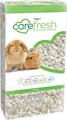
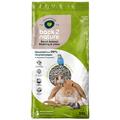
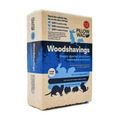
- Bedding - ensure there is a copious amount of rabbit safe, dry, insulated bedding within the sleeping area of the hutch (e.g. straw).
-
Hutch Cover - place a blanket or fitted cover over the hutch, whilst ensuring there is still adequate ventilation.
-
Food - consider giving your rabbit a slightly larger portion of pellets or concentrated food during winter, as they burn more energy to stay warm.
Note: If your rabbit has a medical condition, is senior in age or is living solitarily, then it may be safest to bring them indoors for the winter. Ideally move the entire hutch inside, otherwise Indoor pens are a great way to section off a room for your bunny to stay in, with an indoor house to sleep in.
Rabbits can struggle with extreme temperature changes so try to put your bunnies in a cooler room of your house when bringing indoors.
Indoor rabbits
Indoor rabbits generally benefit from a stable room temperature environment, so minimal changes may be required. However, it’s still important to:
- Monitor the temperature - where your rabbit sleeps to determine if any extra steps are needed.
-
Bedding - ensure there is a copious amount of rabbit safe, dry, insulated bedding within your rabbit’s sleeping area (e.g. straw) in case the room temperature drops.
-
Indoor rabbits used to not chewing on furniture can use rabbit friendly pet beds too.

Product Recommendations
Our in-house veterinary team has selected these products to keep your rabbit warm, comfortable, and safe during winter.
- R. Plevin & Sons Snowflake Barley Straw Bedding - Snowflake Barley Straw is a super compressed, natural bedding that is suitable for rabbits.
-
Snuggles Luxury Plush Small Pet Bed - Snuggles Luxury Plush Small Pet Bed provides a snug nest to keep your small pet warm and secure either inside or outside.
-
Trixie Indoor Enclosure for Rabbits/Guinea Pigs - 60–240 × 50 cm - Suitable for guinea pigs, dwarf rabbits.
-
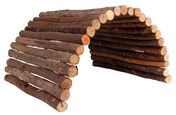
Trixie Small Animal House - 29 x 19 x 33cm - Suitable for Guinea Pigs & Rabbits.
-
Classic Bottle Cover - Classic Bottle Covers are a practical solution to bottles freezing in cold weather, helping to insulate the plastic and keep the water liquefied so your small animal always has something to drink.
Extra Winter Care Tips
- Protect drinking water: Outdoor water can freeze, so use insulating covers and check or replace water at least morning and evening.
-
Keep the hutch dry and clean: Moisture can reduce the effectiveness of insulated bedding, so ensure sleeping areas stay dry and hygienic.
Signs Your Rabbit is Too Cold
Watch for the following signs that your rabbit may be struggling in the cold:
- Lethargy – staying still or sleeping more than usual and a reluctance to exercise.
-
Cold extremities – feel their feet, nose, and ears; if they are cold to the touch, your rabbit may be too cold.
-
Shivering – in severe cases, as the body tries to generate warmth.
If your bunny is showing any of the above signs, then it’s important to help them warm up with the previous tips. For outdoor rabbits, the safest temporary solution is often to move them indoors.
Low body temperatures can predispose rabbits to health problems, such as ‘snuffles,’ and in severe cases, can even be fatal, so prompt action is essential.
Protect Your Rabbit this Winter
Keeping your rabbits warm in winter is about assessing their environment and checking what they individually need. Some rabbits cope well in the cold weather whilst some need additional help. A little extra care goes a long way.
Check out our rabbit bedding range to keep your rabbit healthy and happy all winter long.
Rabbit Winter FAQs
Can rabbits die from cold in the winter?
If a rabbit’s body temperature drops low enough then yes, cold weather can be fatal. Senior rabbits or those with medical conditions are more likely to struggle during the cold.
Can rabbits stay outside in winter?
The average adult, healthy rabbit kept outdoors within a good hutch containing well insulated bedding should cope fine during the winter. If your bunny is senior or has a medical condition then they may struggle, it’s important to monitor them and check for signs that the cold is too much for them.
Do rabbits hibernate in the winter?
Rabbits do not hibernate in winter. If your bunny is slowing down or sleeping more then this may actually be a sign they are too cold and additional steps to help them stay warm are required.
Written by: VioVet