Regular grooming is essential for keeping your dog comfortable, healthy and looking their best. From choosing the right dog grooming tools to understanding how often you should bathe your dog, these dog grooming tips cover everything you need for stress-free grooming at home.
| Key Takeaways
Explore our full range of dog grooming products to get started with confident, at-home grooming. |
Why Dog Grooming at Home Matters
Grooming your dog is about much more than just appearance. Your dog’s coat is its first line of defence against the environment, helping to regulate temperature, protect the skin and keep allergens and parasites at bay.
Regular grooming also:
- Removes dirt, loose hair and dandruff
-
Helps prevent matting which can be uncomfortable for your dog
-
Reduces shedding and cleanup needed around the home
-
Supports the natural hair renewal process
-
Stimulates the skin and improves circulation
-
Distributes natural oils that keep the coat shiny and healthy
-
Gives you the chance to check your dog for lumps, bumps, parasites, dry skin, dandruff or changes in coat condition
VioVet vet Dr Nicholas Garside states: “All dogs require grooming of some kind with their individual needs varying depending on their breed. Understanding what your specific dog requires and supporting this helps ensure great overall skin and coat health.”
How Often to Groom your Dog
This varies based on your dog’s breed and your goal for grooming.
- Short haired breeds tend to require grooming less often, perhaps weekly
-
Long haired breeds even daily grooming may be required to prevent matting
-
If your aim is to reduce the amount of hair shed around your house, then frequent grooming, such as daily, will help to ensure loose hair is caught before it falls off
-
You can take your dog for a professional groom, which may include a haircut for non-shedding breeds. This is usually only required every 1 to 3 months depending on the breed and how easily your dog’s hair grows or is prone to matting
-
Certain breeds can experience seasonal changes in their coat which can result in seasonal changes in how often you need to groom them. Dogs with an additional undercoat, such as huskies or pomeranians, may experience twice yearly full shedding around Autumn and Spring. During these times, extra brushing is often required to help them through this shed

Essential Dog Grooming Tools
Having the right dog grooming tools makes all the difference. The tools you need will depend on your dog’s coat type, length and size, but a well-rounded grooming kit should include the following:
1. Brushes
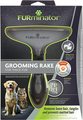
There are three main types of brushes, and many owners benefit from having a selection for all eventualities:
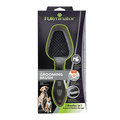
- Bristle brushes – the most versatile with soft, medium or firm bristles spaced closely together or far apart. Suitable for many coat types; firmer bristles work best for coarser coats. You rarely want to start grooming your dog with a standard bristle brush - with longer-haired breeds you will end up getting it tangled in their fur, while short-haired breeds will not benefit from it as much without an initial brush with another tool
-
Wire-pin brushes – ideal for fine, delicate or longer coats
-
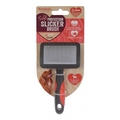
Slicker brushes – this gently curved brush has lots of fine, short wires packed closely to the surface. Excellent for longer or thicker coats and dense undercoats for teasing out any tangles or matted fur before you go over it with a bristle brush
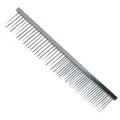
2. Combs
It is helpful to have a couple of combs in your grooming kit:
- Fine-toothed comb - helps tackle more difficult knots and tangles in fine coats
-
Rubber curry comb - ideal for short-haired dogs and feels like a gentle massage. If your pet’s coat is tangle-free but shedding, a gentle brush with a curry comb is probably enough
-
Flea comb - a useful addition for checking for unwanted visitors
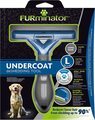
3. De-Shedding tools
De-shedding tools help to clear the excess shed hair away and make way for regrowth. Despite what many believe about short-haired breeds being lighter shedders, the opposite is actually true, as their hairs have a shorter life-cycle and are constantly being shed and replaced.
De-shedding tools can be invaluable for dogs that shed heavily, reaching beneath the topcoat and removing loose undercoat hair, reducing shedding around the home.
4. Nail clippers
Having a good pair of dog nail clippers and files is incredibly useful. It’s important to choose a style designed for your dog’s size, with cushioned handles and thumb grips for comfortable handling. Smaller breeds will often require a smaller clipper, and larger breeds a larger one.
Activity levels affect nail wear:
- If your dog walks regularly, their nails may wear down naturally and need less frequent trimming or even none at all.
-
Less active dogs may require nail clipping every few weeks to prevent overgrowth and ingrowth into the pad or paw.
-
If your dog has dew claws then these are usually away from the rest of the foot and so will not wear down naturally, requiring manual clipping.
Many owners choose to go to a vet or professional groomer to trim their dog’s nails. If you choose to clip your dog’s own nails, it’s best to have some basic training on how to do this. Your groomer or veterinary clinic should be able to assist.
5. Dog shampoo
Alongside brushing and clipping, bathing is an important part of grooming (however you don’t want to be doing it too often as it can strip the natural oils from your pet’s coat).
When you need to bathe your dog, always use a dog-specific shampoo. Human shampoos can disrupt your dog’s skin pH and strip away natural oils. Mild, deep-cleansing formulas are best, especially for dogs with sensitive skin.
6. Additional grooming essentials
- Skin & Coat Supplements - omega-rich supplements help maintain healthy skin and coat, especially for dogs that shed heavily or suffer from irritation.
-
Dental Care - it can be helpful to include oral hygiene as part of your routine grooming process, as a way to ensure it is not forgotten. Caring for your pet’s teeth is often overlooked, but can avoid costly vet visits down the line.
For more information on looking after your dog’s teeth, read our dog dental care guide.

How To Groom Your Dog
A consistent, calm approach helps grooming feel like a positive experience rather than a stressful task. If you’re ever unsure - particularly with nail clipping or severe matting - a professional groomer or your vet can help guide you.
Step 1: Create a calm, stress-free environment
Dogs pick up on our emotions, so staying calm and patient is key. Grooming works best when introduced gradually and paired with praise and rewards - think of it as bonding time rather than a chore.
- Choose a quiet, familiar area with minimal distractions
-
Have all grooming tools ready before starting
-
Speak gently and offer treats or praise to encourage cooperation
Step 2: Brush your dog
The first step to any amount of grooming is to give your dog a good brushing, regardless of coat length. The type of brush you need will depend on your dog’s coat.
- Short-haired breeds: A basic brush will be enough
-
Long-haired breeds: There are a variety of options, so check what coat length and thickness each tool is designed for
-
Consider the size of the brush: If you have a small dog, then a large brush is going to be difficult and unwieldy. On the other hand, grooming a St Bernard with a tiny brush will take far too long, even for the most patient of pets
Once you have the right brush, follow these steps:
-
Brush in the direction of hair growth: This helps prevent discomfort and keeps brushing gentle.
-
Start slowly & gently: Pay extra care around sensitive areas like the belly, tail, and legs.
-
Work through knots carefully: Tackle knots and light matting from the ends of the hair inwards rather than pulling at the root.
-
Reduce tugging if needed: If brushing becomes difficult, pinch the hair above the knot with one hand while brushing with the other to avoid pulling on the skin.
-
Trim tight mats instead of pulling: Mats that are close to the skin should be clipped or trimmed rather than brushed out.
-
Check for parasites as you brush: Look for ticks and fleas during grooming. If you notice anything unusual, contact your vet for advice.
It may be fiddly, but brushing is a really important process to keep your dog’s coat and skin healthy.
Step 3: Bathe when needed
Over the summer months, a good brush is usually all you need for a pristine coat. However, if your pet has rolled in mud and grime or is particularly smelly, it may be necessary to give them a good old bath.
Bathing keeps your dog fresh but it is advisable to avoid bathing your dog for as long as possible as it can make their coat dry and their skin irritable.
VioVet vet Dr Nicholas Garside BVetMed MRCVS states: “Dogs naturally secrete oils from their skin that effectively self-cleans their coat so, unlike with people, frequent bathing is not required. The frequency your dog needs bathing therefore varies with their individual needs, from weekly to 2 or 3 times a year depending on how successful they are at getting themselves dirty in their daily routine”.
How to bathe your dog
- Brush your dog thoroughly before bathing to remove tangles and loose hair
-
Use warm (not hot) water and wet the coat fully
-
Lather in the dog shampoo carefully, avoiding eyes and ears
-
Rinse thoroughly - leftover shampoo can cause itching
-
Towel dry well and keep your dog warm until fully dry
-
Use plenty of praise, treats or toys is necessary
Step 4: Trim nails
When you do trim your dog’s nails, it’s best to clip them just after a bath, as the moisture will soften the nail.
If the claws have gotten truly out of control or have started to grow into the paws, then it may be best to visit a groomer or vet for a professional trimming. Even if you plan to trim at home, getting advice or a demonstration from a professional can help you learn the proper technique and prevent accidents.
Generally, you should trim the nails gradually using clippers suited to your dog’s size. The trick is to not cut away too much, as you risk catching a vein. Just trim the edge gently.
Tip to work out whether your dog needs a nail clip: Hold their paw and put your thumb on the base of their pad and in line with it. If a nail presses into your thumb, it’s too long. Healthy nails should rest at or below your thumb. Remember to check dew claws too (found on the inside of your dog’s paw, often higher up than the rest of the nails)!
Step 5: Check ears and eyes
Don’t forget to check the often overlooked areas of your dog’s ears and eyes.
- Inspect ears for redness, odor, or wax buildup. The average healthy dog should not need their ears cleaned, but if they are prone to wax build up, or enjoy swimming, then cleaning can help prevent infection. A cotton ball with a specialist ear-cleaning solution is all you need to clean it, with careful drying afterwards.
-
Only attempt to clean the outer ear, as you risk rupturing the eardrum or causing serious hearing damage if you insert anything into a dog’s ear canal.
-
Long-hair or white dog owners should pay special attention to the area around the eyes, which is prone to tear staining. Gently wiping with a damp cotton ball or tear stain remover should be sufficient.
-
Some discharge (tear staining) is normal, but a large amount can be a sign of eye infection - so consult your vet if you see this.
If you're not sure about any grooming techniques or are struggling with a matted coat, the best thing you can do is speak to a professional dog groomer who can offer you advice and tips.
Get Ready to Groom Your Dog
Regular grooming supports your dog’s health, comfort and happiness. With the right tools, a gentle routine, and consistent care, grooming at home can be simple, and even enjoyable.
Explore our full range of dog grooming products to give your dog the care they deserve - from brushing and bathing to nail trimming and beyond.

FAQs
How often should you bathe your dog?
Bathing keeps your dog fresh but it is advisable to avoid bathing your dog for as long as possible as it can make their coat dry and their skin irritable. Dogs naturally secrete oils from their skin that effectively self-cleans their coat so, unlike with people, frequent bathing is not required. Your dog will need a bath if they become considerably dirty on walks though. The frequency your dog needs bathing therefore varies with their individual needs, from weekly to 2 or 3 times a year depending on how successful they are at getting themselves messy in their daily routine.
Written by: VioVet